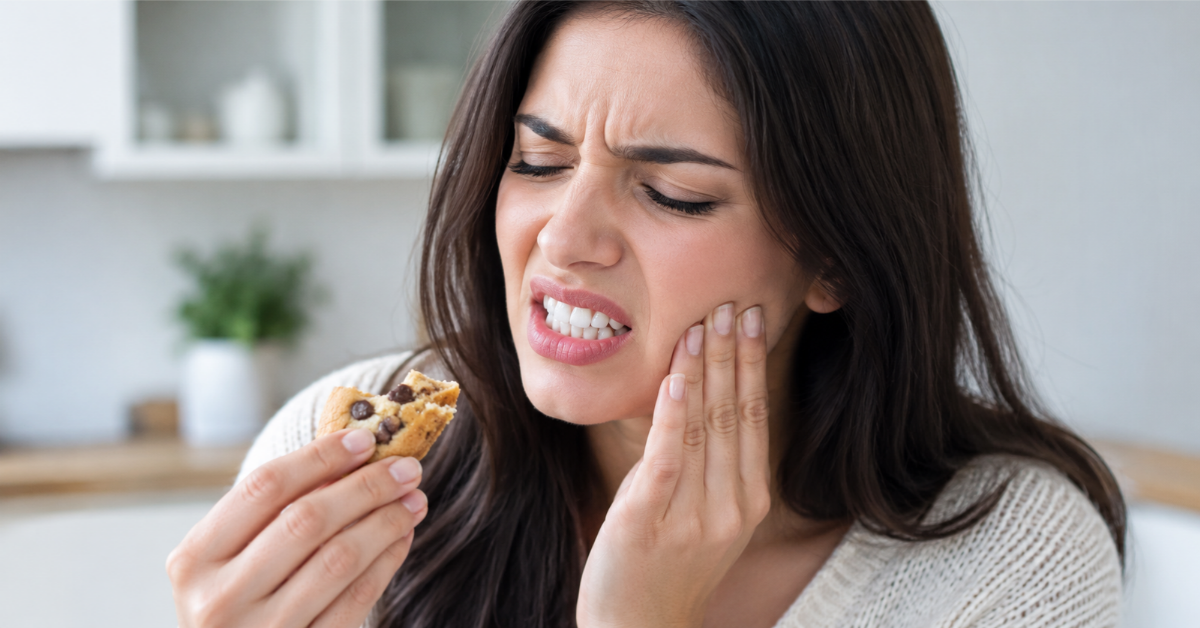
Have you lost a crown, bridge, or filling on the weekend? Or maybe while you’re away from home? Right now, many of us are home instead of away on vacation, but most dental offices are closed. At 24/7 Local Dentist we are open during the Coronavirus lockdown, but seeing patients for emergencies only. Please don’t hesitate to call if you have a dental emergency, including a lost filling. One of our dentists will advise you whether it’s appropriate to come in for a visit or not. But what should you do if you can’t get into the dentist and you break a filling or a crown?
Temporary Filling Material- What is it?
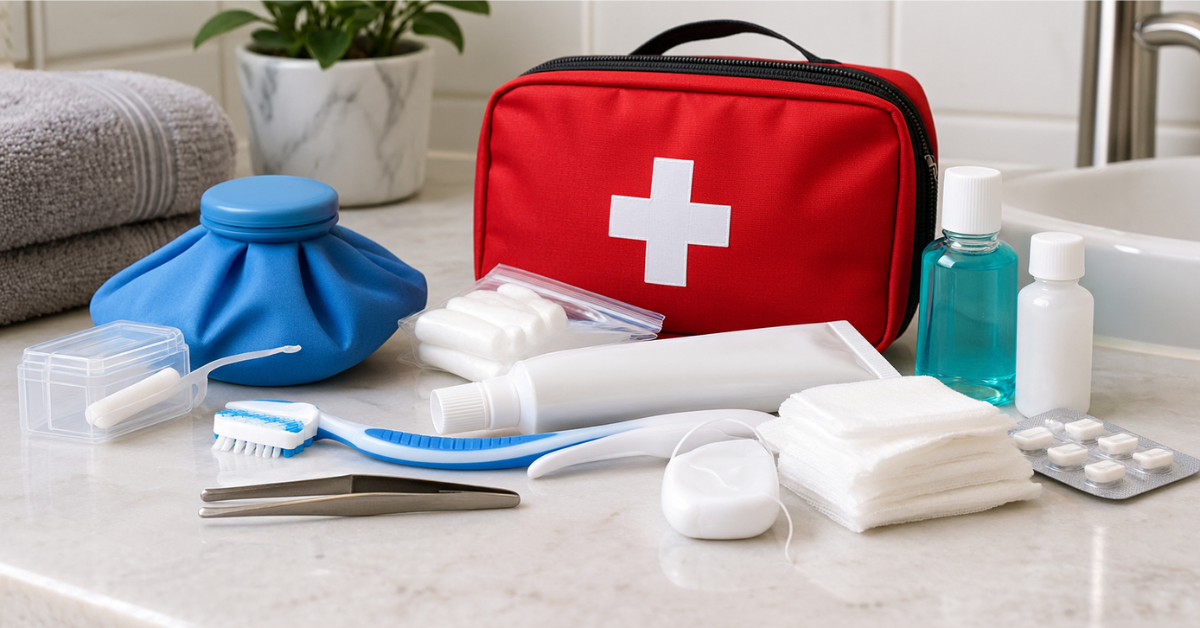
Temporary filling material is a special type of putty that can help guard damaged teeth. It can be purchased at almost any drugstore and comes in a few different types. While the specific material firmness and color varies by brand, most of them are a similar consistency to modeling clay. They work to help cover the injury and prevent nerves from painful exposure to the air, food, and temperature changes. It’s important for patients to know that while it can be helpful to protect an exposed nerve, temporary filling material is TEMPORARY. It will provide relief for a couple of days, maybe a week at most.
How to Use Temporary Filling Material
Clean Well
Rinse your mouth with warm (not hot) salt water. The area is likely sensitive, so avoid water with extreme temperatures. Rinsing will help clear any extra tooth pieces and help clean the area.
Manage the Pain
Apply a topical antiseptic. You can get gels from the drugstore, or use clove oil which naturally numbs the nerves. This will help temporarily alleviate discomfort from the injury. For more ideas on pain management, check out this blog post .
Apply Filling Material
Read the Instructions completely! Each brand has a slightly different formula, and therefore the setting times and specific application requirements may vary by brand. Typically, you’ll need to tear off a small piece of the material and roll it into a ball. It may help the material to stay in the injury better to dry the area gently with a tissue. Gently press the material into the filling space. If you’re replacing a crown or bridge, form the ball around the exposed tooth root(s) on all exposed sides.
Set the Bite
Every person’s mouth is slightly different in the way their teeth are shaped and fit together. Once the material is in the correct place to protect your nerves, you’ll need to gently bit down and form the material to the specific shape of your bite. You’ll need to hold your mouth closed for a few minutes to set the bite.
Before Your Appointment
Once the filling material is in, you’ll need to take care with it. Avoid flossing the area specifically around it as it will likely cause the filling material to dislodge. Also, avoid hard, sticky foods and try to chew on the other side of your mouth. Rinse regularly with tepid salt water to help keep your mouth clean. Make sure you do make a follow-up appointment with your dentist as soon as you can to help prevent further damage to the tooth!
Even during the lockdown we are seeing patients with urgent needs. Please call our office at (833) 220-2448 if you’re in pain or experiencing an emergency. We are doing our best to support our patients during this time- by closing our office to routine procedures to reduce exposure risk and seeing patients that have urgent needs.