Your total health is of utmost concern to us. As health professionals, we seek for any and all care to be for the purpose of making you healthier- from head to toe! From time to time, we have patients that express concern about the radiation exposure that comes with getting dental x-rays. We’d love to break down for you the purpose of dental X-rays, the potential risks, the expert recommendations, and how we work to keep you as safe and healthy as possible.
Purpose of Dental X-rays
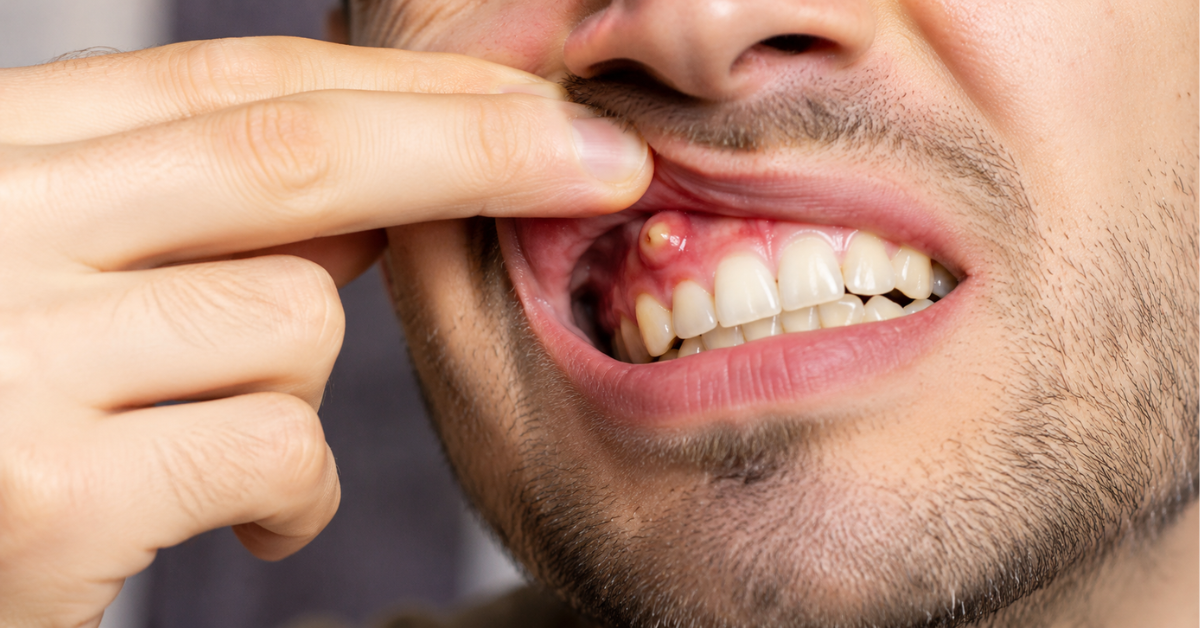
If we do oral exams, why do we take X-rays at all? We pride ourselves on regular, thorough exams for all our patients to catch issues as quickly as we can. The earlier we catch an issue, the less intervention needed to treat it. That’s great for your wallet as well as your overall health! However, a dental exam only allows us to see about 40% of your mouth! It’s impossible to see in the cracks between teeth, underneath the gum line, or the inside of teeth.
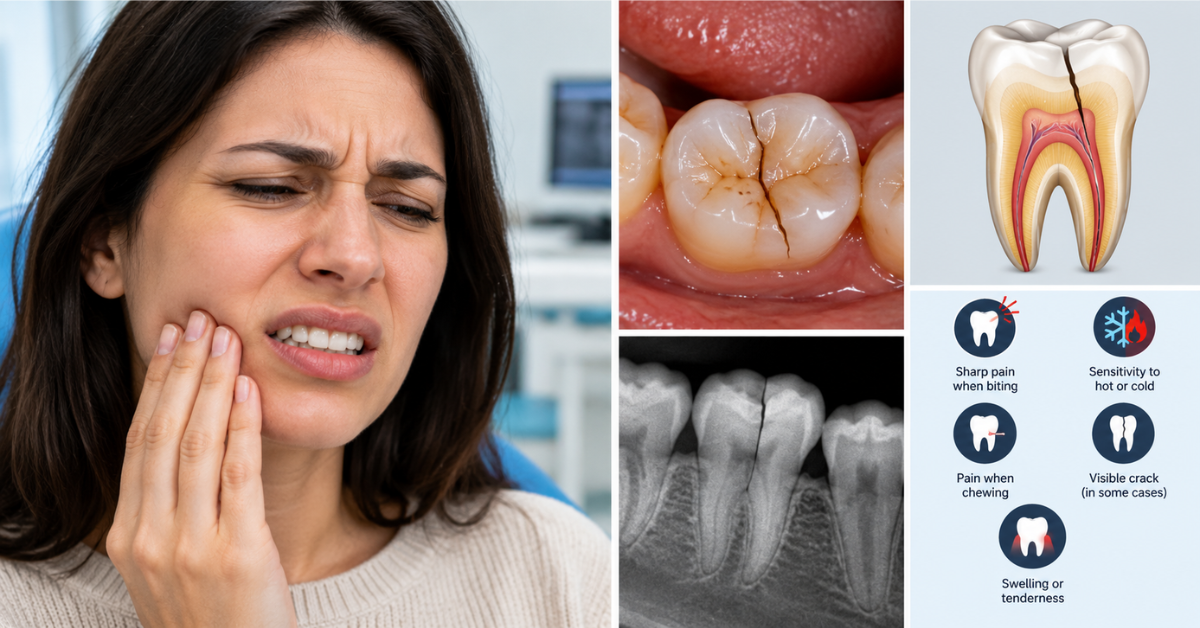
Often, decay can sneak in to the inner part of your tooth through a small crack in the tooth or gap between a filling and natural tooth. Since the inside of your teeth is softer than the outside, decay can destroy the dentin at a faster rate than the enamel. This leads to “hidden” cavities that won’t be noticed until enough dentin is exposed to the outside, or the decay reaches the tooth. Once decay reaches the tooth, your chances of needing a root canal are much greater. It’s important to us that we catch any issue while it’s still in the early stages, and that means getting a really good view of your mouth both visually and on X-ray.
Risks of Dental X-rays
Great news! Modern dental X-rays pose a very low risk to your health! While X-rays do expose you to radiation, the level of radiation is much lower than it used to be, and much much lower than the radiation you are regularly exposed to in daily living. There’s a really fabulous chart that visualizes this here ! The radiation you get from a dental X-ray is approximately 8 micro-Sieverts for an intraoral X-ray, and about 24 micro-Sieverts for a panoramic X-ray. (This varies some depending on the machine) That’s about the same radiation you’d be exposed to in a 3 hour plane ride. Every day, radiation shines down on us from space and emits from basic foods we consume- so avoiding radiation completely is impossible.
Mitigating the Risk
Since some radiation exposure is inevitable in daily living, and long-term, radiation exposure can cause damage, it’s always important to reduce your radiation exposure “As Low as is Reasonably Achievable.” This is a radiation safety principle called ALARA that is widely accepted by experts.
We can’t completely avoid radiation from the sun and from our food and from living indoors. So every time radiation exposure is optional, we should consider whether the increased radiation is worth the benefit. That’s why we evaluate every dental patient individually for risk factors for both radiation exposure and oral health issues. Your dentist favors whichever risk is more pressing when making recommendations. Additionally, we take all steps possible to mitigate your exposure while getting an X-ray. We have large lead “bibs” that we place over your torso and upper legs to shield your body from radiation.
Expert Recommendations
The American Dental Association has investigated the pros and cons of radiation exposure for the sake of dental x-rays. After reviewing the facts, they have set forth clear guidelines to help advise dentists in their decision-making. Their official recommendation is for providers to consider the risk factors for each patient. After a clinical exam, the dentist considers whether dental x-rays could lead to better patient care. If they can, they should use the proper precautions to limit radiation exposure to follow ALARA principles.
At 24/7 Local Dentist, we provide excellent patient care for anyone looking for a Colorado Springs Dentist. We value our patient’s overall health. That’s why we empower patients with all the information to make an informed decision for their care. If you still have questions, we’d love to hear from you at (833) 220-2448.