As much as we’d like for it to be so, our teeth are, unfortunately, not designed to last forever. Tooth decay will affect every one of us at some point or another. However, there are many actions you can take to prevent it!You may be aware that tooth decay can cause cavities, but do you know what causes tooth decay in the first place, or what other oral results occur due to decay? In this latest dental blog, we’re helping you understand the common causes and results of tooth decay, how your gums play an important part, and how to prevent tooth decay.
Common Causes and Results
The National Institute of Dental and Craniofacial Research defines tooth decay , also known as dental caries, as “damage to a tooth that can happen when decay-causing bacteria in your mouth make acids that attack the tooth’s surface, or enamel.” When the surface of your teeth become worn down by bacteria and acids, a cavity can develop. Anyone from children to senior adults can develop tooth decay for a variety of reasons.
Starches and sugars in your diet react with decay-causing bacteria to form acids that attack the enamel, or outer layer of your teeth, which causes a breakdown of important minerals that help keep your teeth strong. Consuming food and drinks high in starches and sugars put your teeth at greatest risk for more frequent attacks on your enamel from these acids.
Foods to avoid or consume in moderation, always followed by proper oral care, include — but are not limited to — sugary cereals, pop or other sugary drinks, hard candy, dried fruits and cookies. Tobacco products should also be avoided.
Over time, plaque will develop from the bacteria and cling to the enamel of your teeth, further wearing them down. This process eventually leads to cavities when the enamel is completely worn away.
Other causes of cavities and tooth decay include dry mouth, not maintaining proper oral hygiene and certain medical conditions. When your mouth is dry and experiences a lack of saliva, bacteria and plaque buildup do not wash away as easily, causing a faster buildup of that same plaque and bacteria. Not maintaining proper oral hygiene such as brushing and flossing your teeth daily and in the correct manner can also speed up the development of bacteria, acids and plaque. Finally, some medical conditions or treatments can promote tooth decay. These include conditions and medications that cause dry mouth, as well as some radiation treatments for cancer that change the chemical makeup of saliva which encourages an increase in oral bacterial growth.
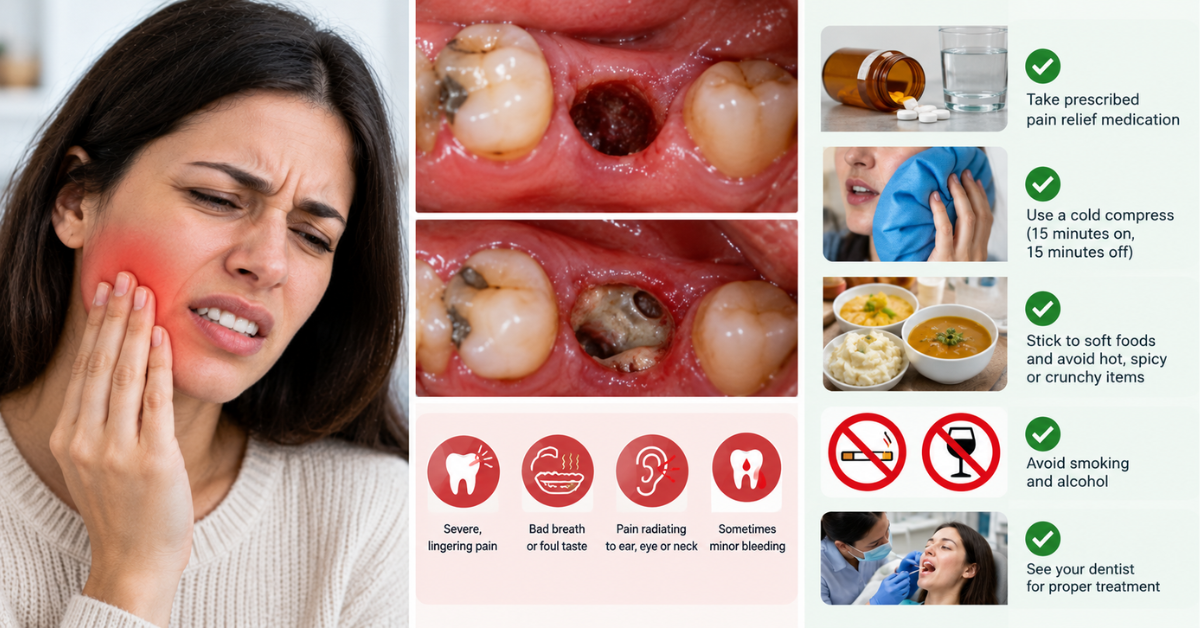
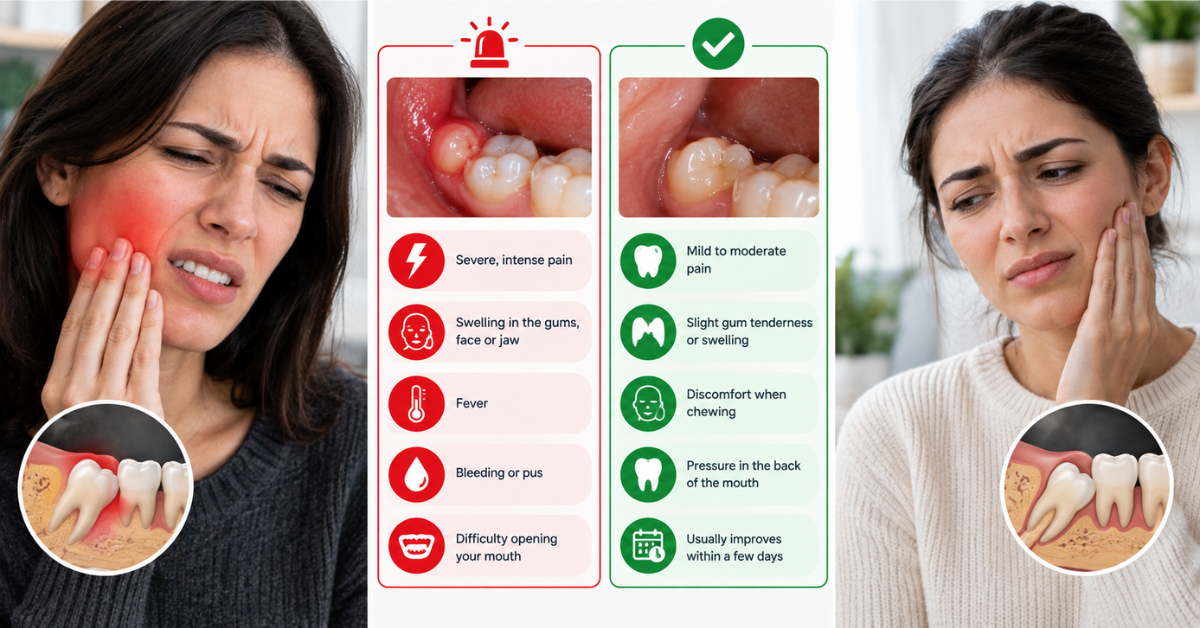
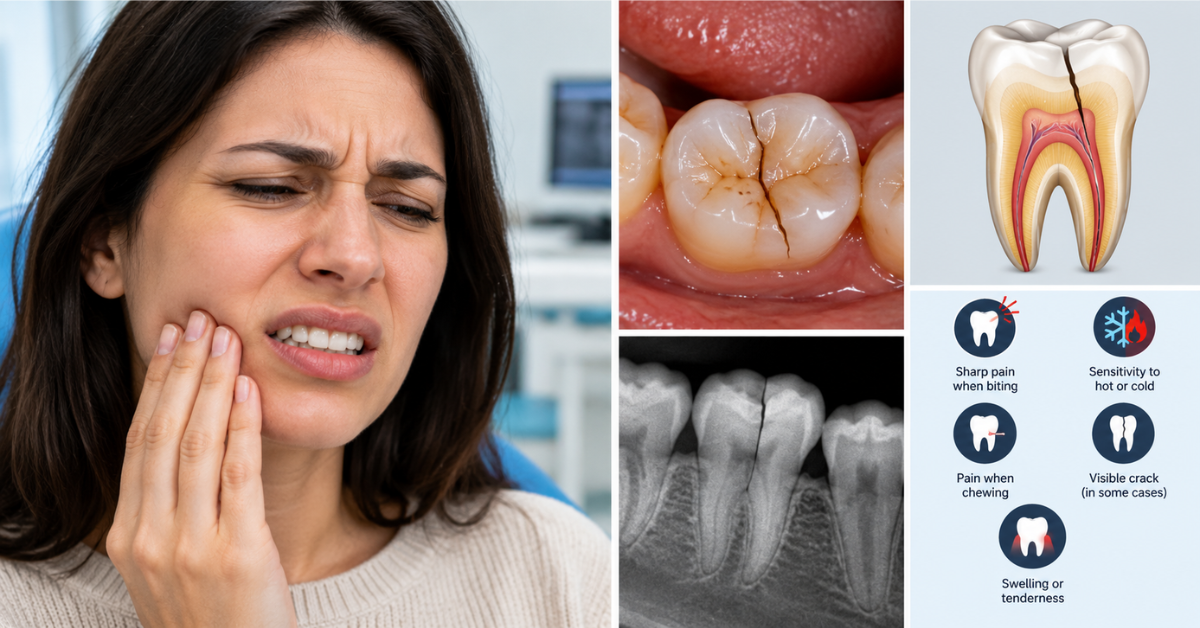
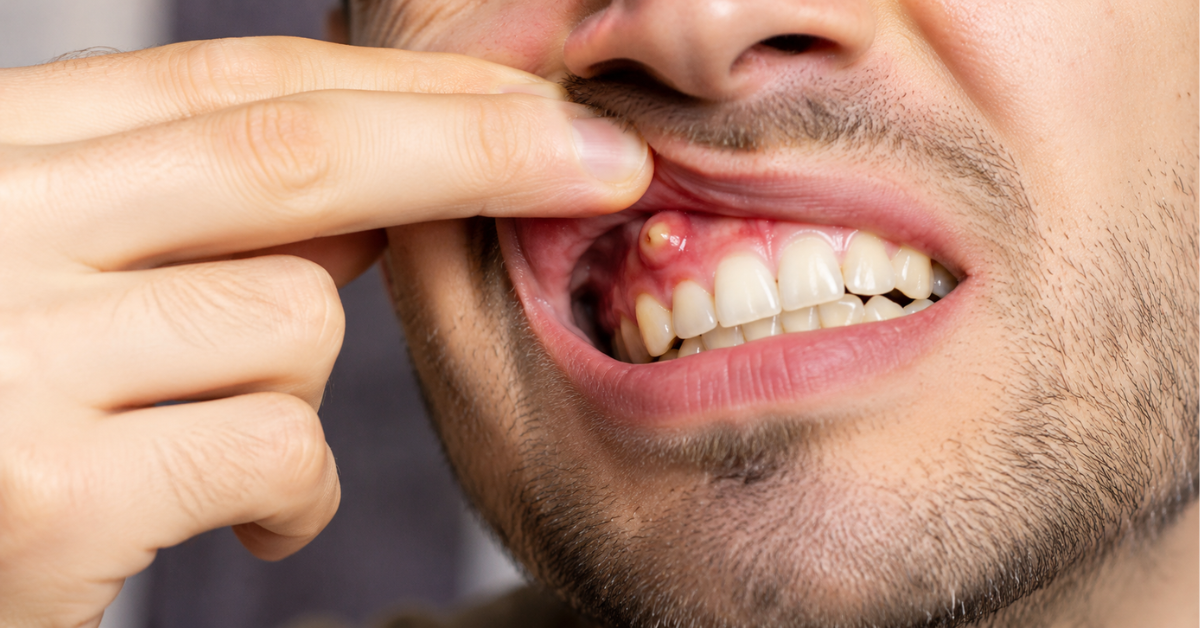
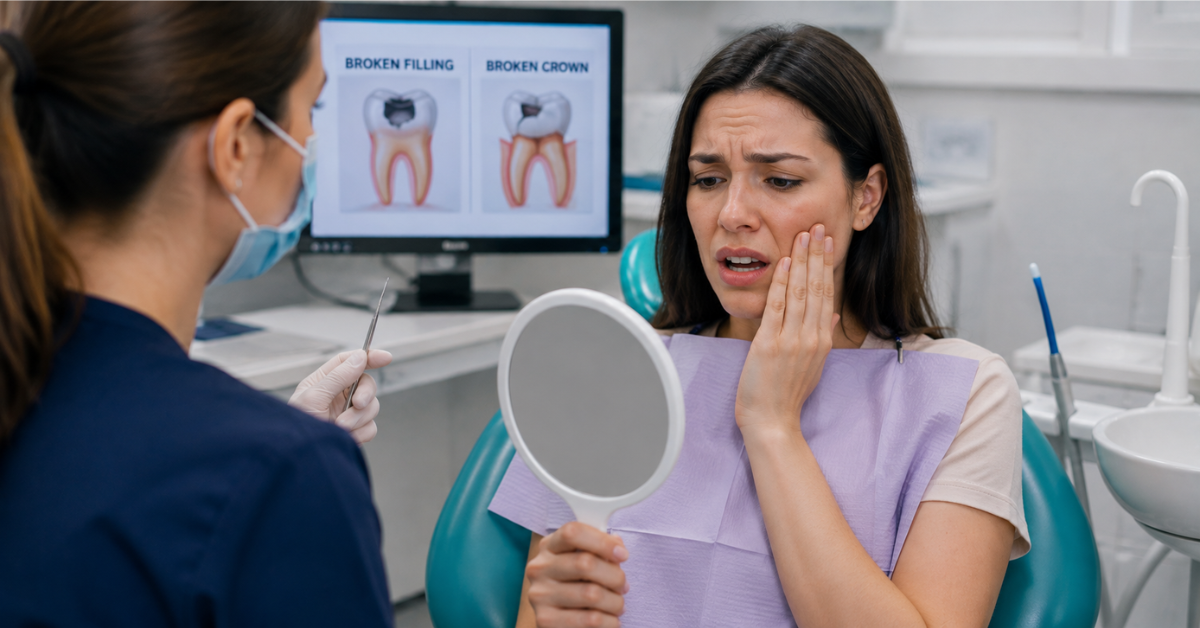
So, what happens when you have tooth decay? Untreated tooth decay can lead to tooth pain, infection or, at the most extreme, permanent tooth loss. You may experience a toothache , pressure when chewing or biting, or tooth sensitivity to cold, hot or even sweet food or drink. Signs of an infection from tooth decay include the development of an abscess that can lead to pain, fever or swelling of the face. An infected oral abscess is considered a dental emergency , and you should contact your dentist as soon as you develop signs of an infection.
To detect a cavity and signs of tooth decay, your dentist will examine your teeth for any sticky or soft areas, as well as likely take x-rays to detect any cavities and areas of decay not visible to the naked eye.
What About Your Gums?
Tooth decay and cavities affect your teeth — but your gums also play an important role! Buildup of bacterial plaque causes both gum disease and tooth decay . So, the same sticky plaque full of bacteria and acids that breaks down enamel also irritates your gum line and causes it to recede. This happens when plaque hardens over time into what is known as tartar, which makes it even easier for bacteria to grow.
Gum disease comes in many stages, starting with gingivitis. Plaque built up near your gums will cause them to become irritated, inflamed, swollen or to bleed easily. Further progression of plaque and tartar will lead to bacteria reaching underneath the gum line and attacking the supporting structures of your teeth which keep them in place. This advanced gum disease is known as periodontitis. To learn more about the relationship between tooth decay and gum disease, read our blog post, “ What Is Periodontal Gum Disease? ”
How to Stop Tooth Decay
The best way to stop tooth decay is to prevent it in the first place. Fortunately, most tooth decay is easily preventable. Here are the three primary ways you can prevent tooth decay:
- Maintain properly daily oral hygiene. — At minimum, thoroughly brush your teeth twice per day with a fluoridated toothpaste. You should also floss at least once per day and use a mouthwash after every time you brush.
- Watch what you eat and drink. — As previously mentioned, sugary food and drinks like pop make it much easier for bacteria and plaque to build up in your mouth. In general, aim for a balanced diet with limited intake of food and drinks high in starches and sugars. Snacking between meals should also be kept to a minimum.
- See your dentist regularly for routine check-ups. — Daily oral hygiene is important, but our teeth still need professional cleanings by a dentist to remain as clean and healthy as possible. Seeing your dentist semi-annually ensures that plaque and tartar buildup are removed and that any cavities or other oral conditions can be diagnosed and treated.
Once tooth decay has caused a cavity to form, the emphasis of treatment changes from prevention to restoration. This is because cavities are irreversible. The only option is for the dentist to repair the tooth by cleaning out the affected area and providing a filling after the decayed part of your tooth has been removed. The filling consists of a strong material compatible with your tooth structure. Dental crowns and root canals may also be required to restore the tooth in the case of an advanced cavity.
Looking for a Chicago Dentist to Treat Tooth Decay?
The best way to prevent tooth decay is by seeing a dentist for early detection, treatment and preventive measures. Located between the border of Bucktown and Logan Square in Chicago, 24/7 Local Dentist provides a wide range of services, including periodontics and root canal treatment . Our complete checkups include professional teeth cleaning, digital x-rays, oral cancer screenings, DIAGNOdent cavity detection and fluoride applicators — along with examination for diagnosing your overall oral health.