Undoubtedly, dental anxiety is quite common, and anaesthetic dentistry is something that can help children feel at ease and reduce their anxiety. As your child's oral health is at stake, if you're searching for sedation dentistry in Miami, be sure to choose the finest option. This guide will outline the benefits that sedation dentistry can provide for your children. Let's get underway!
Sedation Dentistry for Anxiety
This procedure completely relies on the process whether the child will receive deep or mild sedative medications. Sedation dentistry helps children to get the proper dental and oral care they require without any kind of fear. The dentist will help in determining the best kind of sedation for your child. Mild or deep sedation will make the child sleep and this way the complete procedure can be performed comfortably.
A Pain-free Experience
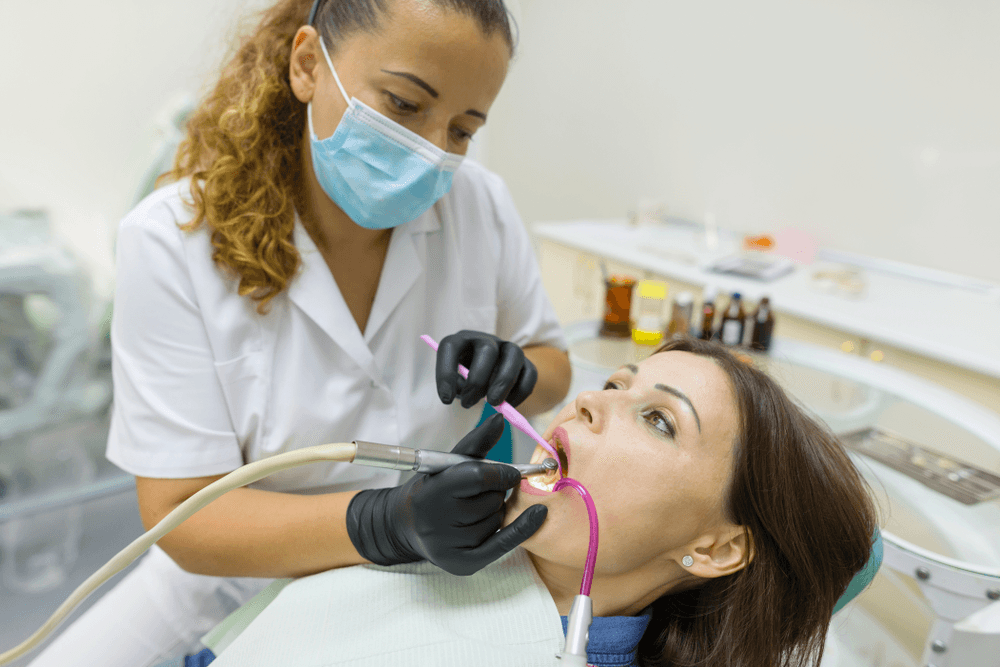
Numerous children are concerned that the entire procedure will be agonizing. However, the greatest advantage of sedation dentistry is that the child will experience no discomfort during the procedure. In the event of certain dental procedures, analgesics and anaesthetic injections will be administered to the child to prevent discomfort. In sedation dentistry, injections are also administered to the infant, but they are administered later. This is excellent news for the child if he or she is needle-averse. When your infant awakens, he or she will have no memory of the procedure. After the completion of the procedure, you will notice that your child's apprehension level decreases during subsequent visits.
Better Treatment Quality
Not only the sedation dentistry is pain-free; however, it allows a better quality of treatment. When the child is sedated then the dentistry will be able to work in a more quick and effective manner without any fret about the movement of the child here and there. Without sedation, children’s might experience pain and this is quite a challenging thing for a dentist.
Types of Sedation
In sleep dentistry, there are typically four levels available, including minimal, moderate, profound, and general anaesthesia. In the case of minimal sedation, the child will remain conscious throughout the entire procedure but will feel relaxed and at ease. In the case of moderate sedation, the child is cognizant but has little memory of the procedure. In the case of deep sedation, the child is asleep but not comatose, whereas, in general anaesthesia, the child is completely unconscious and asleep for the duration of the procedure. Deeper levels of anaesthetic can be effective for patients with significant dental anxiety.
These were some different sedation levels; however, there are different sedative kinds too that are used throughout the sedation dentistry.
Inhaled sedation produces mild sedative effects where your child will inhale laughing gas (nitrous oxide) combine with oxygen.
Oral sedation is provided in the form of pills just before the procedure. This kind of sedation can either produce mild or just moderate sedation which all relies on the dose. A lower dose can make the child feel sleepy; however, will keep the child relaxed as well as conscious. In the case of high dose, the child will feel asleep; however, can wake up easily with a gentle touch.
Deep sedation in which your child might sleep but won’t remember anything about the complete treatment.
Wrap Up
Hope this blog has helped you in knowing more about the sedation dentistry for children with anxiety. If your child enjoys a comfortable as well as a pain-free dental appointment then your child will not feel scared in seeing and visiting the dentist another time. Ensure to take your child to the clinic for dental checkups as it will keep all the issues at bay. Sedation dentistry will make the dental procedures of your child to go smoothly.