What are the symptoms of canker sores?
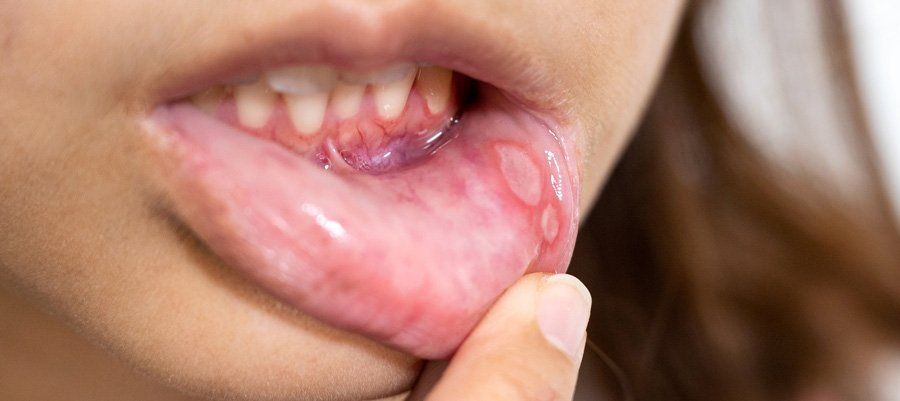
The most common canker sore symptoms include:
- A yellow or white ulcer in the mouth, either round or oval-shaped
- A red, swollen, and painful area in the mouth
- A tingling sensation inside the mouth
In some instances, these symptoms may also arise:
- Swollen lymph nodes
- Having a fever and feeling unwell in general
Canker sores are not contagious. They usually heal within one to three weeks without treatment, and the pain often dissipates within seven to ten days. However, a serious canker sore may take up to six weeks to heal.
Why do canker sores form?
Some of the common causes and factors that may aggravate a mouth ulcer include:
- Accidentally biting your tongue or inside of your cheek
- Quitting smoking. The results of a 2004 study revealed that about 40 percent of people developed mouth ulcers, mostly in the first two weeks after quitting smoking. “The loss of antibacterial properties of smoking while an increase in cold symptoms may be due to a loss of natural antibodies in the saliva,” said researchers. Most of the ulcers were mild and resolved within four weeks.
- Spicy and acidic foods, including citrus fruits
- Poor-fitting dentures, braces (whether metal or invisible), and other appliances that may rub against your gums and mouth area
- Deficient fillings and other bad dental work
- Hormonal changes that can occur during puberty, pregnancy, and menopause
- Certain medications, including painkillers and beta-blockers
- Stress and anxiety
- Genetic factors
- Food sensitivities, particularly to strawberries, nuts, eggs, cheese, chocolate, coffee, and acidic or spicy foods
- Health problems. Some people develop ulcers due to different medical conditions or a nutritional deficiency. For example, conditions such as celiac or Crohn’s disease, being deficient in vitamin B12 or iron, and having a weakened immune system may cause frequent mouth ulcers to form.
In some cases, the cause of a canker sore is uncertain.
What are the treatments for canker sores?
Fortunately, most canker sores heal without treatment. But if you’re looking for natural remedies that can soothe mouth sores and prevent infections, these lifestyle changes can help:
- Brush and floss daily to prevent a bacterial infection
- Gargle with antimicrobial mouthwash or a saltwater solution
- Avoid acidic and spicy foods to speed up the healing process
- Drink milk, which can help reduce pain and promote good oral health
- Applying ice or small amounts of milk of magnesia to your sores
Certain ingredients in over-the-counter topical products can also help relieve and heal mouth sores. These include:
- Benzocaine (Orabase, Zilactin-B, Kank-A)
- Fluocinonide (Vanos)
- Hydrogen peroxide rinses (Peroxyl, Orajel)
The best California dentists may prescribe:
- A corticosteroid ointment, such as beclomethasone or hydrocortisone hemisuccinate
- An antibiotic, such as mouthwashes or pills that contain doxycycline (Monodox, Adoxa, Vibramycin)
What is the difference between canker sores and cold sores?
The main difference between canker sores and cold sores is that the latter can develop on the outside of your mouth, including your lips, nose, cheeks, and ears. Cold sores initially appear as blisters, not as inflamed ulcers, and become sores later on when the blisters burst.
Furthermore, unlike canker sores, herpes simplex virus is the primary cause of cold sores, which spreads from person to person through close contact. If you think herpes is the reason behind your mouth sores, see a doctor right away.
What are the complications of canker sores?
If your canker sore does not heal and you leave it untreated, you may experience more serious complications, such as:
- Piercing pain while brushing your teeth, speaking, or eating
- Sores spreading outside your mouth
- A bacterial skin infection called cellulitis
- Fever
- Fatigue
See a doctor or dentist if your canker sore is causing you intolerable pain, has begun interfering with your daily life, and when home remedies are not working. Also, contact your doctor as soon as possible if the complications mentioned occur within a week or two of the sore appearing. A bacterial infection can spread and cause more serious issues to arise, making it crucial to stop a bacterial cause of a canker sore immediately.
Are there tips on how to prevent canker sores?
You can prevent the recurrence of canker sores or mouth sores with the following tips:
- Avoid foods that may have contributed to your previous outbreak. Aside from acidic and spicy foods, anything too sweet or salty may cause a similar reaction. Foods and drinks that cause allergy symptoms, such as a swollen tongue, an itchy mouth, or hives, are off-limits, too.
- If a canker sore appears due to stress and anxiety, use stress management methods and calming techniques, including deep breathing exercises and meditation.
- Correct any oral hygiene mistakes. Use a soft-bristled toothbrush to avoid irritating your gums and avoid adding too much pressure when brushing and flossing.
- Schedule a checkup with your healthcare providers to determine if you have a vitamin or mineral deficiency. They can help create a diet plan for you and prescribe supplements if you need them.
Contact your physician or dentist right away if you develop:
- Large sores
- An outbreak of sores
- A rash
- Unbearable pain
- A fever, whether it’s low-grade or high
- Diarrhea
- A headache
- Difficulty eating or drinking
- If your canker sore doesn’t heal within three weeks
What if it’s not a canker sore?
If a canker sore or cold sore is not the problem, then a tooth abscess might be the culprit, which can spread to the jaw and other areas of your head and neck. If you live near Montclair, CA, and suspect an abscessed tooth, contact our emergency dentist by dialing (833) 220-2448 now.