Many people remember dreading visits to the dentist when they were children. But now that you are a parent, you want the dentist to be a happier trip. Part of that means teaching your kids the proper methods of taking care of their teeth. However, this can be difficult when many adults make flossing mistakes during their own dental regimen.
The Most Common Flossing Mistakes People Make (Parents and Children)
Flossing is so important to keeping the inside of our mouths healthy, yet not many adults know how to do it properly. Here are some common flossing mistakes and ways to fix them. Once you are flossing effectively, you can help your children to do the same.
1. “Not Really” Flossing
You may be someone who dislikes floss, but you make yourself pop the floss between a few teeth every day. While it may seem better than not flossing at all, using an incorrect technique is not effective at improving your oral hygiene and preventing cavities between teeth. You need to gently floss between every tooth while drawing it from side to side, conforming to the curve of the tooth. Just putting floss between your teeth for a second misses most of the food particles closer to your gums.
2. Flossing Too Quickly
Make sure to spend a bit of time gently running the floss back and forth between your teeth. Make sure to slightly wrap the floss along the curve of each tooth as well. Since you only need to floss once a day, make sure to take your time as you do it. Many people like to floss at night so they don’t interrupt their morning rush.
3. Stopping Due to Bleeding
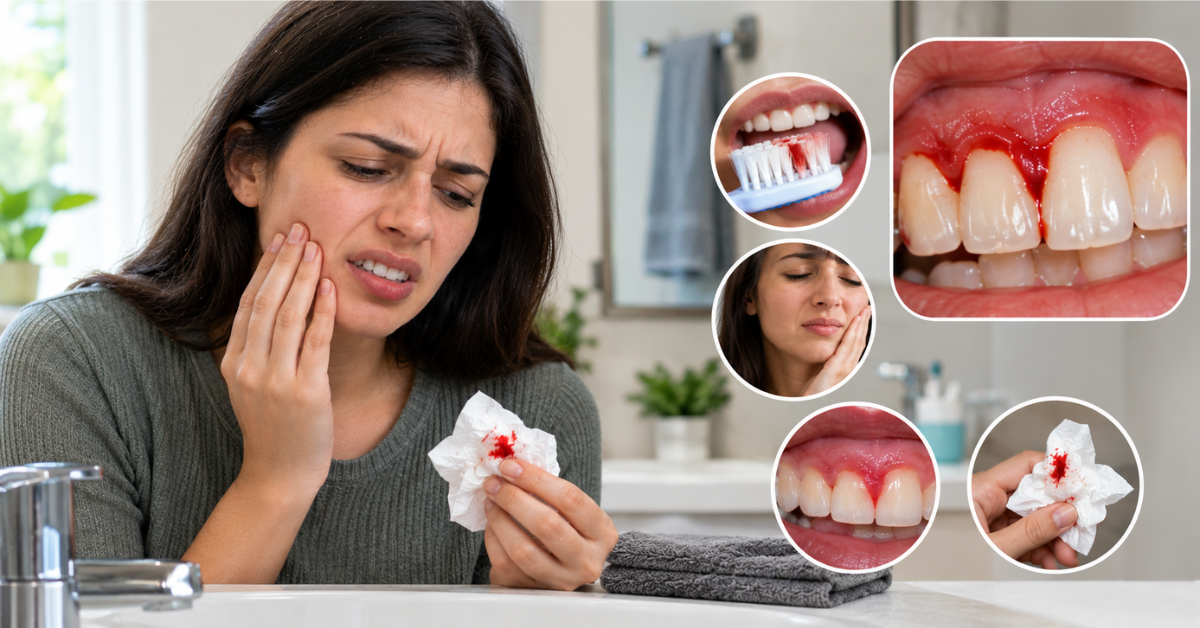
Bleeding gums are definitely not the goal of flossing, but you shouldn’t stop because you see a tiny bit of blood. If you have bleeding gums when you floss, your gums just aren’t used to a good flossing. If you keep flossing daily, you will see less and less blood, not more (unless you’re flossing too hard). Soon you will floss without seeing any blood.
If you’re concerned about blood when flossing, consult with a dentist who can advise you if anything’s wrong or if it’s just incorrect flossing technique.
4. Flossing Too Hard
As referenced in the previous tip, blood can be an indicator of unhealthy gums and is common if you haven’t flossed in a long time. However, if bleeding happens every time during your regular flossing session, you may be flossing too hard. The goal is not to attack your gums but to disrupt the plaque in between your teeth. Try to be a little more gentle and focus on scraping the sides of your teeth, not attacking your gums.
5. Flossing Too Much
A lot of people assume that you can’t have too much of a good thing. But, when it comes to flossing, too much is not good for your teeth. If you floss too often throughout the day, you can hurt your gums or even cause your gums to recede. While dentists want you to brush twice a day, it’s only necessary to floss your teeth once a day. This can be in the morning or before you go to bed for the evening.
6. Flossing Too Little
On the other hand, you can also floss too little. If you don’t regularly remove the plaque between your teeth, you will cause a whole host of problems in your mouth. It is generally recommended to floss once a day, every day of the week. Remember, flossing regularly also helps to freshen your breath, so it’s a good thing to do at least once a day.
7. Using the Wrong Tools
You may hate flossing, but since you’ve picked up the tooth pick after a meal at the restaurant, you’ve become inspired. Well, those tooth picks are great for removing food particles, but they aren’t as effective as traditional floss for getting at hard-to-reach bacteria and preventing gum disease. You must use a waxed dental floss or satin to effectively remove the plaque from between your teeth and along your gum line.
8. Only Flossing Certain Teeth
Some people think that it’s only important to floss between teeth that are tightly packed together. While flossing between these teeth is very important, all teeth need to be flossed no matter their spacing. All teeth can be harmed by dental plaque, and your gums also majorly benefit from flossing, so all of your teeth need to be flossed regularly to help remove it.
It’s your favorite snack, but popcorn kernels always get caught in between your teeth. But this is the reason dental floss was made, right? Well, floss definitely helps to remove stubborn food particles, but the real reason everyone should floss is to remove bacteria and dental plaque. Over time, plaque will cause damage to your tooth enamel which can then lead to tooth decay.
10. Only Flossing
You might think that because you are a regular flosser, you have no need to brush your teeth. Well, flossing is only half of the good dental hygiene equation. If you don’t brush twice a day, you’re not mitigating the effect that acidity from food has on your teeth. You must floss and brush your teeth every single day.
So now you know some basic reasons to floss and some simple rules about how to do it effectively. A good flossing regime is easy to work into your busy life. As a parent, you can figure out the best ways to encourage your child to floss daily and perhaps even make flossing something that you and your child do together. Sharing knowledge about dental hygiene with your child is a great way to start them on a path to lifelong health.