We often think about keeping our teeth healthy, as we all should. But, do you ever think about your gums? They may seem like the soft protection around your teeth roots, but keeping your gums healthy is vital to keeping your teeth and the rest of your body healthy. In other words, your gums are just one more example that oral health is overall health . Last month, we discussed what can be done about receding gums . This month, we’re taking a look at how to detect gum disease, how to keep your gums healthy and what treatment options are available.
Signs of Gum Disease
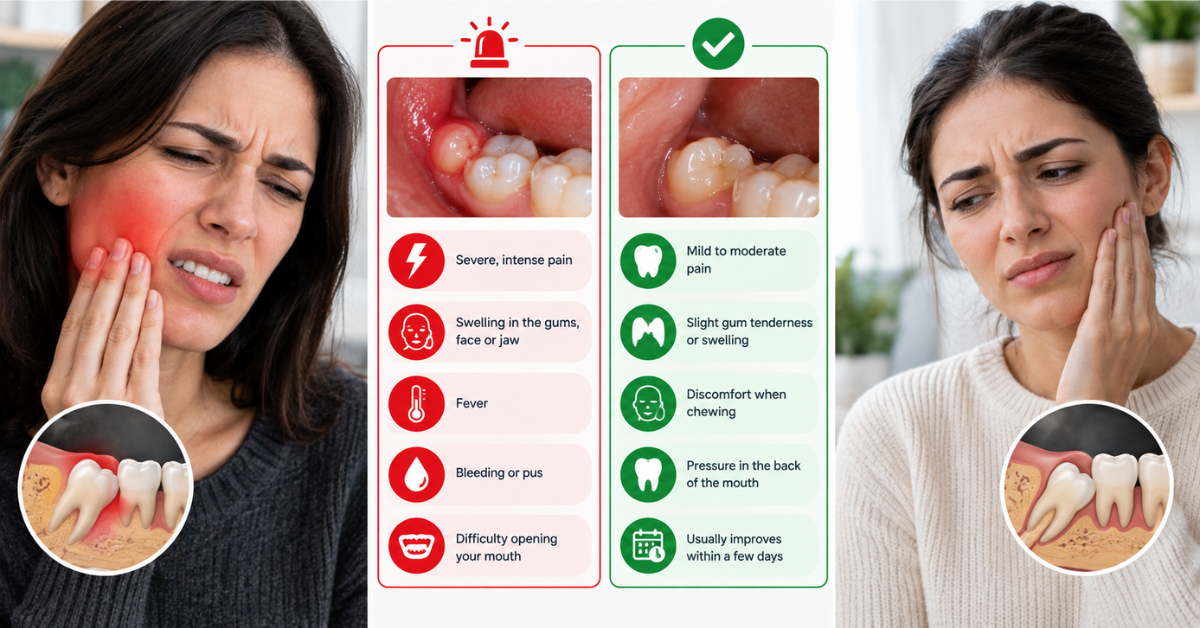
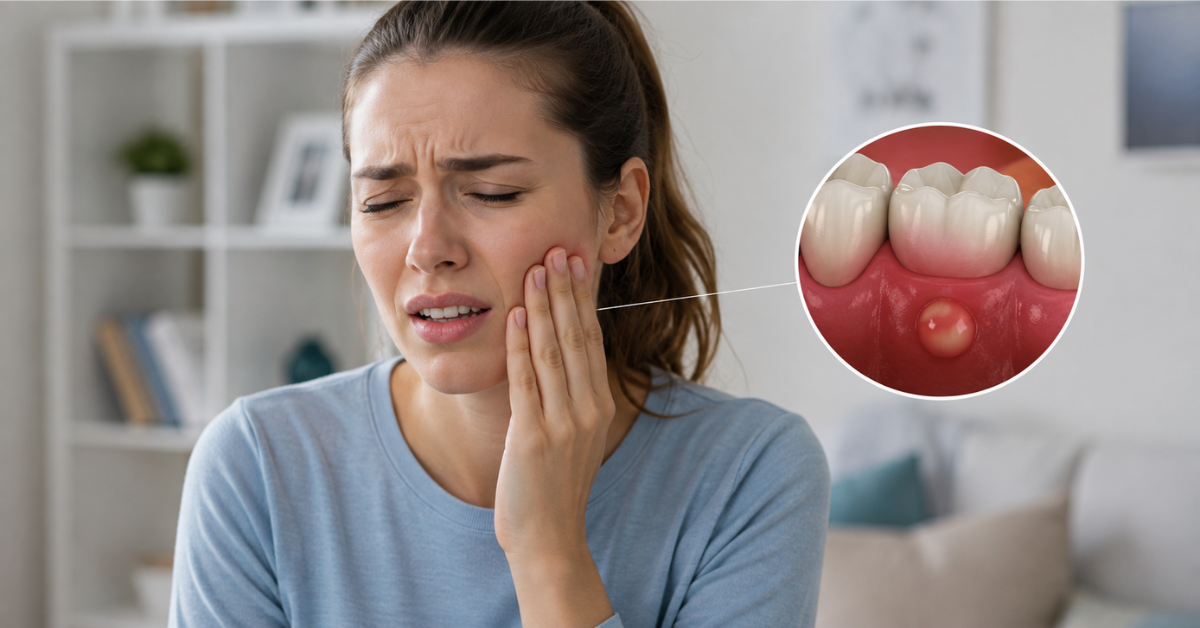
Gum disease, also known as periodontal disease , is not something that shows up overnight. Developing gum disease is a slow process, starting with gingivitis and progressing to advanced periodontitis, with many potential contributing factors. Essentially, gum disease is an infection in your gums caused by the buildup of plaque and bacteria, which can then lead to gum recession, damage to the bone supporting your teeth and tooth loss. Gum disease has additionally been linked to an increased risk for heart disease and low birth weights in newborns.
According to the American Dental Association (ADA) , signs of gum disease may include:
- Gums bleeding when brushing teeth
- Gums pulling away from the teeth (gum recession)
- Gums that are swollen, red or sensitive
- Constant bad breath
- Teeth that feel loose
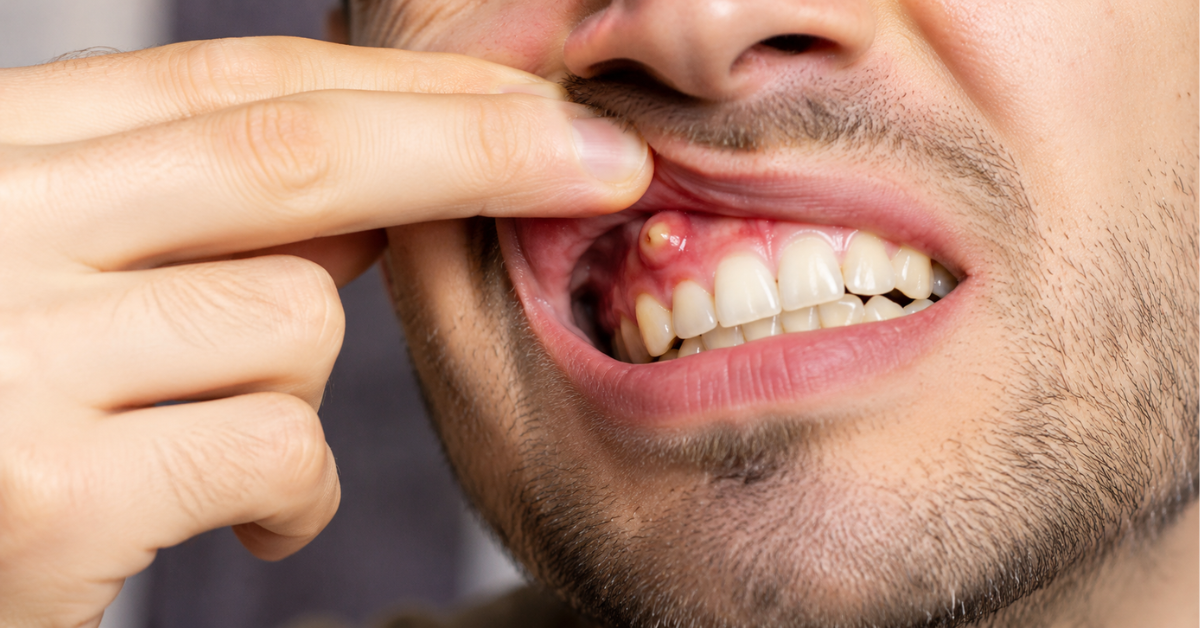
- Pus appearing between the gums and teeth
- Teeth shifting when biting
- Changes in how partial dentures fit
You may be at a higher risk for developing gum disease if you:
- Do not maintain good oral hygiene
- Smoke or chew tobacco
- Have cramped or crooked teeth that are difficult to clean
- Are pregnant
- Take certain medications
- Have diabetes
- Have certain genetic predispositions
- Grind or clench your teeth
- Are stressed
- Are not eating a nutritious diet
If you are experiencing one or any of the signs of gum disease, it’s important to see a dentist or a periodontist as soon as possible to discuss your condition and treatment options. It’s also important to remember that you may not even experience any pain during the early stage of gum disease, so pay close attention to the other signs your mouth may be giving you that it’s time to see the dentist.
Read more about what a periodontist does and the signs of periodontal disease in our other blog post, “ Signs You Need a Periodontist .”
How Can I Get My Gums Back on Track?
Making an appointment with an experienced dentist or periodontist is the first step to getting your gums back on track if you have any signs of gum disease. There, you can discuss and receive treatment. However, preventative action is the best step of all when it comes to keeping gum disease at bay. Everyone can and should improve gum health , whether or not you are experiencing signs of gum disease, through oral hygiene and other routine practices.
The core of improving gum health and preventing gum disease is by thoroughly brushing your teeth and your gums twice a day in order to remove plaque and bad bacteria. Be sure to follow these steps for brushing:
- Use a toothbrush in good condition (not frayed) with soft bristles and fluoridated, anti-plaque toothpaste.
- Hold the brush at a 45-degree angle towards your gum line.
- Use gentle, short brushing strokes as you go over the back and front sides of your teeth and gums.
- Clean behind your teeth by sing the tip of the toothbrush.
- Remember to also brush your tongue to clear away bacteria.
Other ways you can keep your gums healthy include:
- Properly flossing once a day (See blog post, “ Is Flossing Actually Necessary? ”).
- Stop smoking and other tobacco use.
- Rinse with a therapeutic mouthwash after brushing.
- Eat a nutritious diet and reduce sugar intake.
- Make semi-annual visits to your dentist for cleanings and exams.
Are Periodontal Diseases Reversible?
Yes, but it really depends on the stage of your gum disease and how you classify “reversible.” Gingivitis and early gum disease can usually be reversed by going to your dentist for cleanings and keeping up with a thorough oral hygiene routine. However, more advanced periodontitis will require more extensive treatments, which can treat and stop further gum disease, but may not be able to save damage already done. It all depends on your individual case, which is why it’s important to see an experienced periodontist for treatment.
As for some periodontal treatment options, we discussed the following treatments for gum recession in our blog post, “ Can Anything Be Done about Receding Gums? ”:
- Scaling and root planing of tooth roots and gum pockets to help gum tissues heal for mild gum disease cases.
- Readjustment or remaking of partial dentures if they are causing the problem.
- Gum grafting for advanced gum recession.
Periodontal surgery will likely be required for very advanced cases in order to rebuild your gums and protect your teeth and bone from further decay. After treatment, keeping up your gum health will largely be up to you through your daily oral care routine and sticking to your regular dentist appointments.
Your Gums Deserve the Best
Only a periodontist, a dentist who specializes in periodontics (the study and treatment of gums and supporting bones), can provide the best treatment. 24/7 Local Dentist is honored to have periodontist Dr. Waeil Elmisalati as one of our practicing partners. Not only is Dr. Waeil extensively trained and experienced in the field of periodontics, but he is also rated by patients as the #1 periodontist in Chicago on RateMDs.com ! To schedule your next dentist or periodontist appointment with 24/7 Local Dentist, call us today or book online with ZocDoc .