Did you know that your teeth are linked to the other organs in your body? Each tooth in the human mouth is connected to a body organ through a meridian, and dental disorders can directly impact the rest of the organs. The incisors and canine teeth on meridians connect to the kidney, liver, and gallbladder. Your upper and lower third molars (wisdom teeth) are linked to the central nervous system and the heart. Pain in the first incisor may indicate a prostate or tonsil infection. Molar pain may be a sign of anemia, intestinal and stomach ulcers, chronic gastritis, hemorrhoids, or bladder infections. Studies have shown a strong connection between poor oral health and heart disease; if your teeth are suffering from plaque and gum disease , there is an increased risk of diabetes.
The link between cardiovascular disease and poor oral health
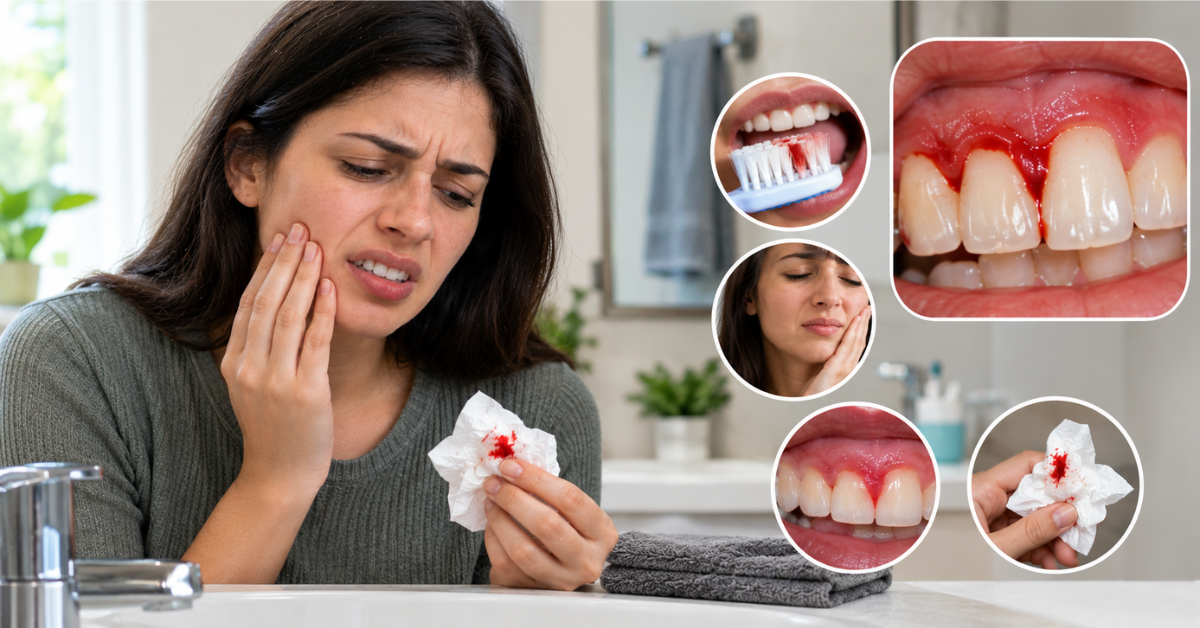
Poor oral hygiene can lead to gum disease, a known risk factor for heart disease. Food particles that gather on your teeth eventually become tartar that runs along the gum lines. It creates a barrier on your teeth that ultimately turns into plaque if not removed. The plaque that forms on your teeth is similar to that which builds up in your arteries. When the plaque on the walls of arteries thickens, it contracts the walls impeding blood flow. It can cause a complete blockage resulting in a heart attack. It can also increase the risk of bacterial infusion into your bloodstream. Bleeding gums can trigger endocarditis, which grows in your heart’s inner lining and inhibits the valves from working efficiently, escalating the risk of a heart attack.
How to protect your heart
Your oral health is integral to the general wellness of your body. An effective oral regime is a great way toward a healthy heart. Here are the best tips to implement in your oral health routine to help you stay on top of your game:
- Brush your teeth twice a day and floss regularly to prevent plaque growth. Use mouthwash afterwards to clean up any food residue.
- Plan a scheduled visit to your dentist at least every six months for your oral health check-up.
- Reduce the sugar intake in your diet to fend off the bacteria in your mouth.
- Strictly avoid cigarettes and other tobacco products, which can destroy your gums.
When you are aware of your dental health and practice good dental hygiene, you are more likely to be in tune with your overall health. Good oral health cannot necessarily prevent cardiovascular disease, but, according to intensive research studies, good oral health is crucial to keeping a healthy heart in line. That alone should motivate you to make oral health a top priority. A healthy mind resides in a healthy body, and a healthy body is directly proportional to well-maintained oral hygiene. Call 24/7 Local Dentist Group today at (833) 220-2448 to schedule an appointment . Our team will gladly assist you with any questions you may have. We also have affordable payment options for any dental treatment.