People have dental implants for various reasons and frequently have timing concerns. Some people try to keep their dentures in place, while others try to replace missing teeth. They are sometimes used to replace teeth that were knocked out or never developed. Teeth can be extracted for various causes, including decay, infection, gum disease, or accident.
Step 1: Dental Check-up
Your dentist will want to thoroughly examine your mouth before beginning any treatment. Imaging techniques such as X-rays and 3D scans may be used. The dentist has to take this extra step even if they are already familiar with your mouth. While you wait, your dentist will ensure that your gums and jaw are healthy enough to hold implant posts. Then, a care and treatment plan will be made just for you.
Step 2: Procedure for Implants
Your dentist will schedule the operation after they have finished the thorough examination. Surgery is the starting point of the implant procedure. The dental professional will drill a small hole in your jaw and insert a titanium screw. The screw is going in just below the gums. The average time required to insert a screw is between one and two hours. The time it takes to get dental implants depends largely on the number of implants you have placed at once. After the healing process is complete, most dentists will finish the restoration of the artificial tooth. Waiting for your new teeth to grow in can feel like an eternity, but it’s crucial to the success of your implant procedure. During this time, your bone will fuse with the implant, making it strong enough to hold your new crowns or bridges.
Step 3: Healing After Surgery
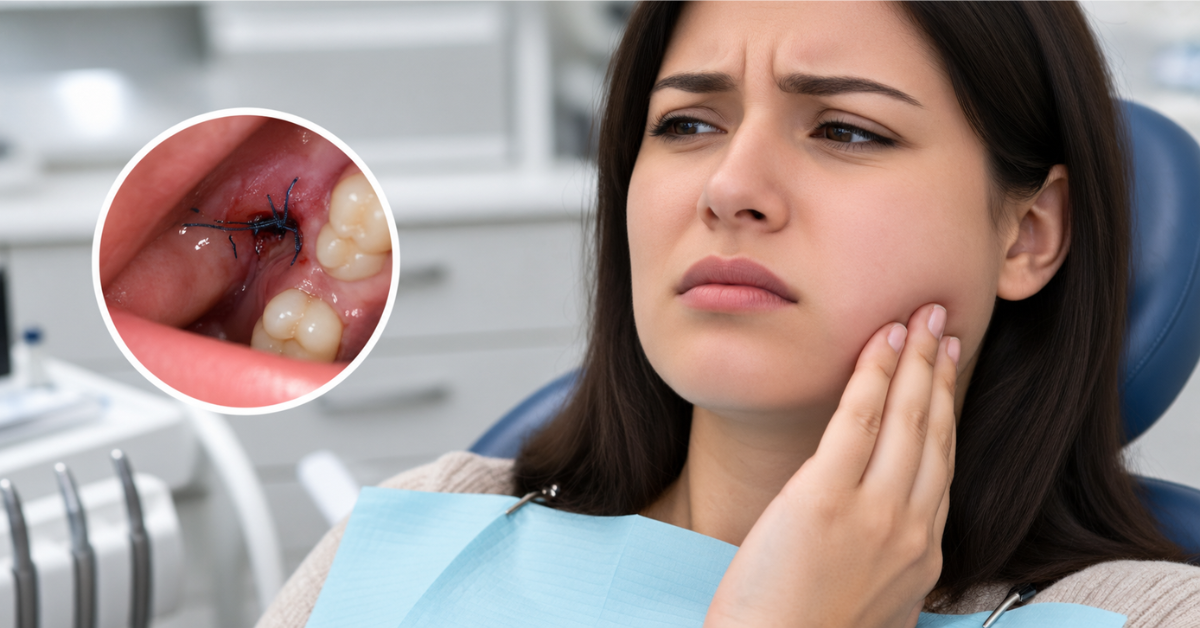
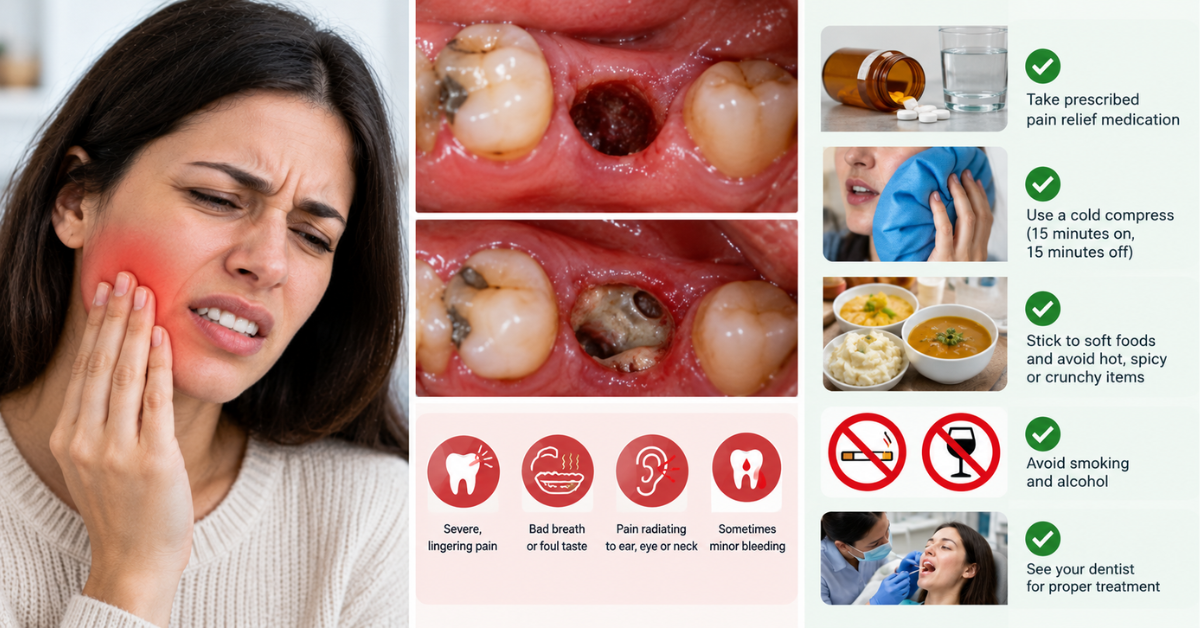
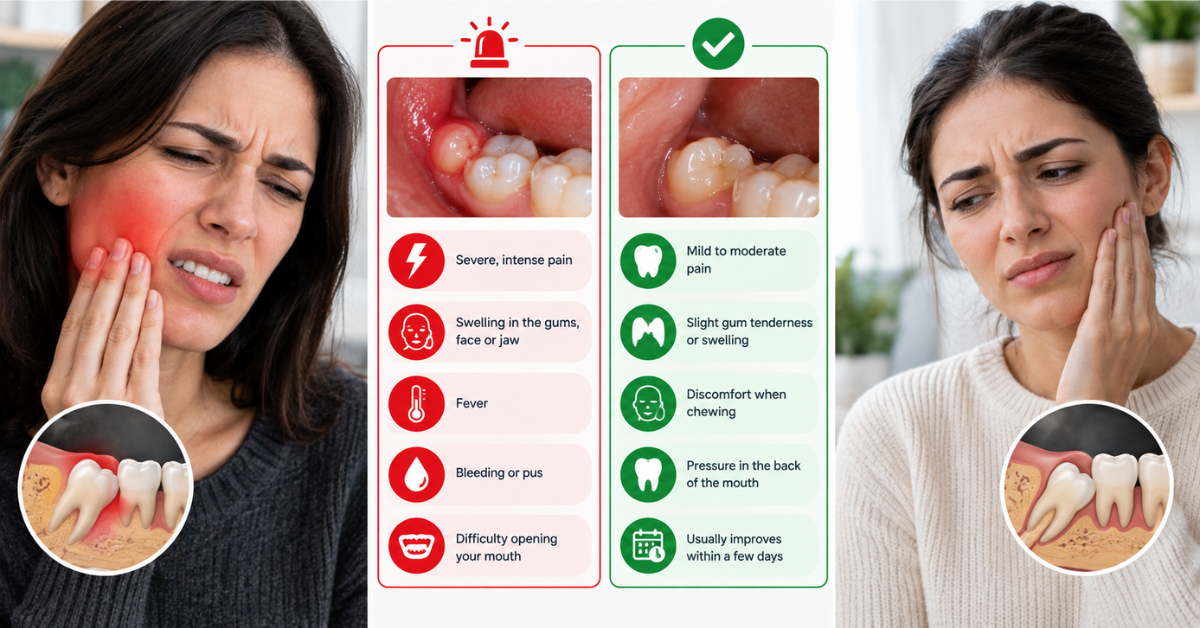
Some people experience swelling, bruising, or pain immediately after getting an implant. This may be a function of the difficulty level of the implant installation process that your dentist had to endure. The discomfort will be amplified if a tooth needs to be extracted to complete the procedure. The time it takes between getting dental implants to getting a new crown is crucial. The duration of the recovery period is around 90 days.
Step 4: Modification of the Crown and Abutments
After the gums have healed, the abutment and crown can be cemented. The abutment acts as a shock absorber, protecting the implant from the crown’s constant pressure. For this procedure, it may be necessary to expose some of your gum tissue so that the abutment and crown can be fitted correctly. After the abutment has been set, you can get your crown. Your dental implant procedure will be finished once the crown is placed.
Conclusion
Dental implants are becoming popular for many different reasons. No matter your cause, you should visit our skilled dentist for a complete and in-depth evaluation. You can trust their advice and direction to get you where you need to go. Please get in touch with us to set up a meeting if you need any clarification.