It’s the eternal debate. Do you call it soda or pop? Here in Chicago , most of us call it pop, but you’re more likely to call it soda if you’re from the South. Just as there are many colloquial terms for soda pop, the effects of those carbonated sugary drinks on your smile also come in many forms. Our NK Family Dental team wants you to improve your oral health by learning how sugary drinks like pop can wear down your tooth enamel, how to better moderate your pop intake and why it’s important to stay properly hydrated.
Wearing Down Enamel
Sugary soft drinks have not only been found as a crucial link to obesity in recent studies, but they have also been found as a crucial link to tooth wear in adults. Published in 2019 by a group of researchers from King’s College London, the study, “ Obesity and tooth wear among American adults: the role of sugar-sweetened acidic drinks ,” concluded that sugary beverages like pop are the leading cause of tooth decay in both the protective enamel and soft dentine layers of obese patients, who are already at a higher risk for type 2 diabetes.
However, you should be concerned about your enamel regardless of your weight and body fat percentage. After all, once your enamel has worn away, that’s it. You are then at risk for serious tooth decay.
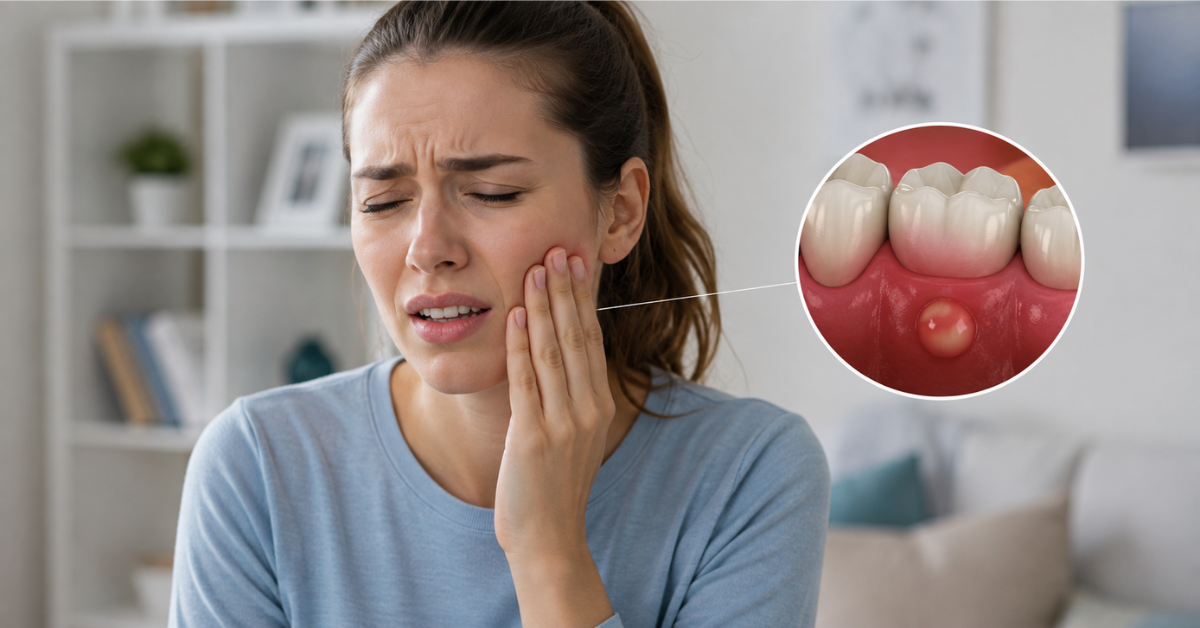
So, how do sugary drinks wear down your enamel ? What happens is a chemical reaction in which the bacteria in your mouth produce an acid after interacting with sugar. Every sip causes a new reaction lasting up to 20 minutes, during which your enamel is worn down. Therefore, drinking pop all day long will give your mouth no break from the acidity. Think you can switch to diet pop instead? Unfortunately, many chemicals in diet soft drinks also cause similar acidic reactions in your mouth. Once the acid penetrates your enamel, the dentin layer is attacked — resulting in cavities and damage to composite fillings.
Drinking Pop in Moderation
What can you do to reduce your risk of cavities? The first step is simple: cutting back. Unfortunately, our bodies quickly get used to, and dependent on, consuming large amounts of sugar on a daily basis, which makes going cold turkey very hard. Try moderation instead by first going down to just one pop a day. If you get a pop with your fast food meal or out at a restaurant, you might also want to skip those free refills (as tempting as they may be). While even one sugary pop a day can cause damage, it’s not nearly as bad as multiple per day. Start with small steps, then work your way toward less frequent consumption.
In addition to drinking pop in moderation, other steps you can take to help your dental health include:
- Using a straw — Straws aid in keeping sugar and acids away from your teeth. Just be sure to use paper or reusable straws when possible!
- Drinking faster — Don’t make yourself sick, of course, but taking too leisurely of a time with your pop leaves your teeth exposed to those sugars and acids for greater periods of time. Quicker sips and reduced overall time drinking your pop makes the effects somewhat less severe.
- Rinsing with water — A quick swig and rinse of your mouth with water right after drinking a sugary pop can quickly help prevent damage by washing out any lingering acids and sugars.
- Waiting to brush — Mouth feeling icky after a pop? You may be surprised to find that you should actually wait 30 minutes to one hour before brushing your teeth. Friction on your teeth from brushing immediately after being exposed to sugar and acid can cause further harm.
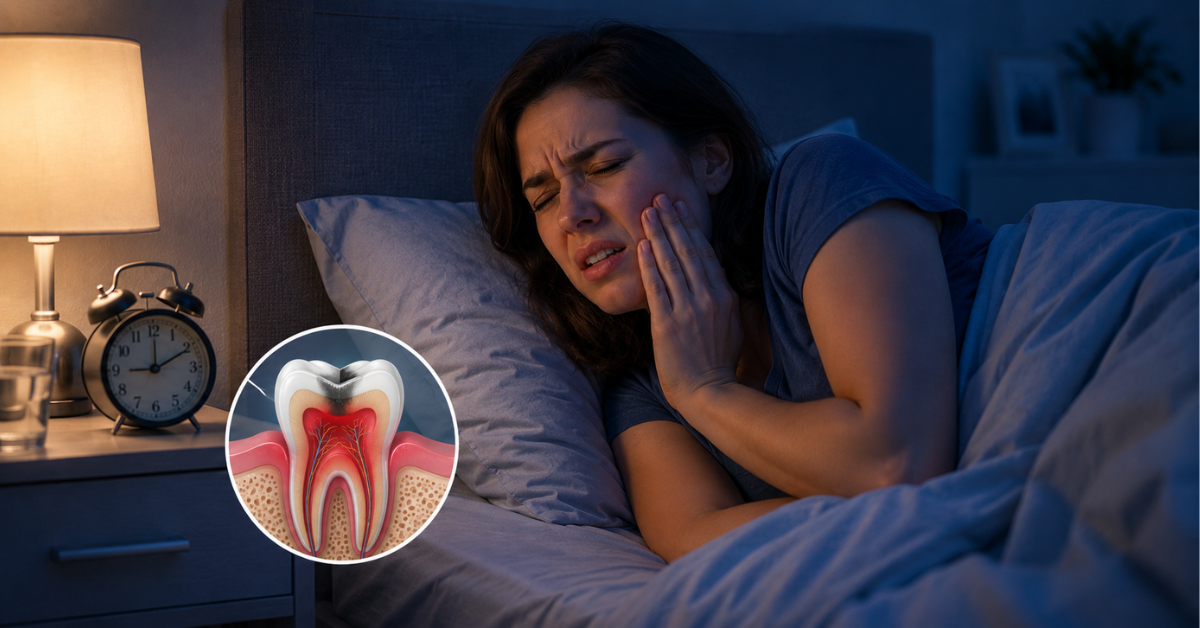
- Not drinking before bed — Drinking pop right before you to to bed means your mouth will have all hours of the night to be exposed to harsh sugars and acids without relief. Be sure to brush your teeth as close as you can before you turn in for the night, and only drink water if you need something to quench your thirst.
Staying Hydrated the Right Way
Cutting back on your pop consumption may have you worried about feeling tired during the day. After all, your body has likely grown acclimated to the daily amounts of sugar and caffeine, but this withdrawal of your favorite sugary drinks doesn’t mean you have to suffer headaches and fatigue. Keep up your energy and stay hydrated the right way by drinking plenty of water.
You may think you are tired without your usual sugar and caffeine, but a lack of water is actually one of the top causes of daytime fatigue. Drinking at least eight glasses of water per day can result in a drastic increase of energy. When it comes to your oral health, water is the best thing you can drink to keep acidity levels in your mouth low, thus preventing cavities. It may take some time to consciously drink plenty of water during the day, but keeping at it will result in a new and more healthy habit.
Protect Your Teeth with Help from Your Dentist
Aside from drinking fewer sugary soft drinks and drinking more water, the final best step you can take to improve your oral health is to see your dentist. Semi-annual checkups and cleanings are vital to avoiding advanced tooth decay and other oral problems. Our founder and owner, Dr. Nilofer Khan and our partner periodontist, Dr. Waeil Elmisalati , both provide the highest-quality dental, orthodontic and periodontic care, backed by many years of education, certifications and ongoing training. Learn more about our other dental services , including oral surgery and periodontics treatment. Then, contact us to schedule an appointment.