You are not suddenly “wise” when your wisdom teeth start to grow in — if they even do! Officially known as third molars, wisdom teeth represent a transition in the human skeleton from when the jawbone was larger, to its gradual adaptation to modern life. While most people will develop wisdom teeth — which typically emerge during adolescence to early adulthood — others will not, evidently having achieved the next level of human adaptation. For those who do, however, wisdom teeth commonly cause such problems as becoming impacted (failing to erupt through the gum, or incompletely erupting), or crowding surrounding teeth. While dentists (and patients) usually choose to save teeth whenever possible, extracting wisdom teeth is often the wise decision.
Signs of Problems
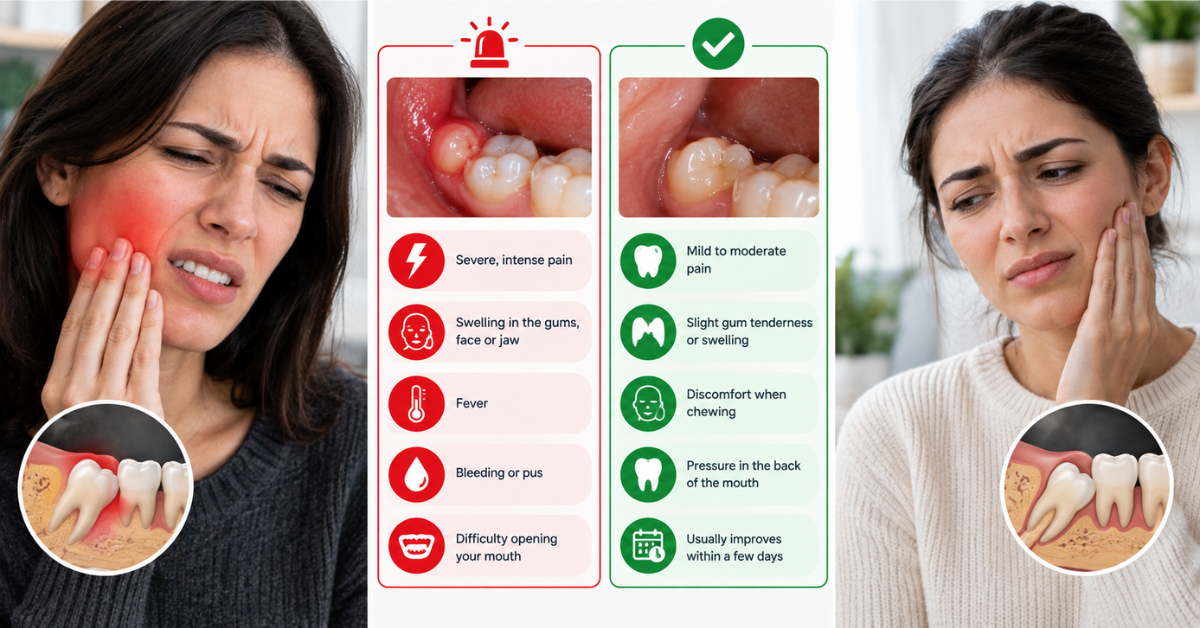
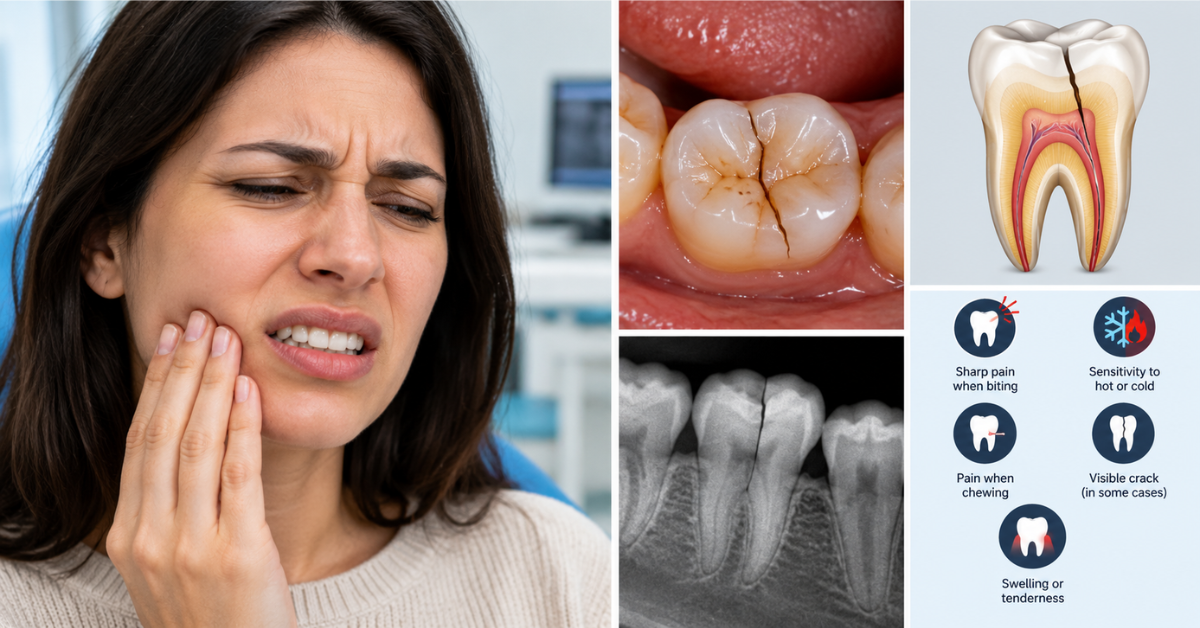
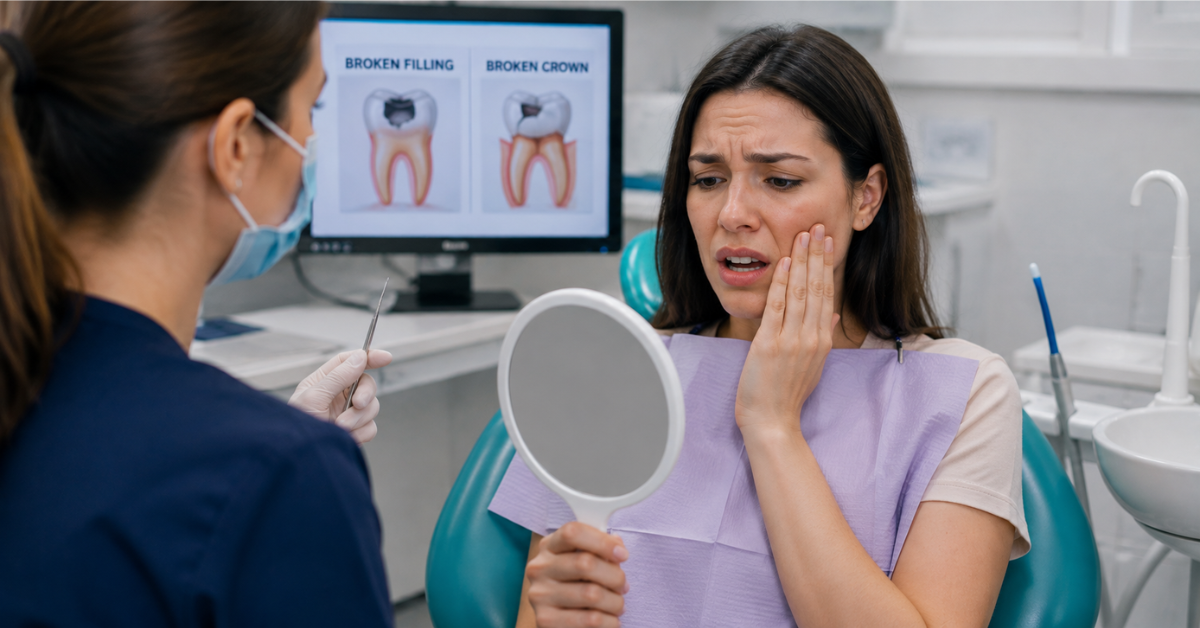
One of the most telling signs that your wisdom teeth have to come out is experiencing pain , particularly in your lower or upper jaw. Other common symptoms include feeling constant pressure in the back of the mouth, as well as swollen, sensitive or inflamed gums over or around the wisdom teeth. Wisdom tooth pain can lead to difficulty chewing and prolonged discomfort. While less common, sinus issues can also be a sign of upper wisdom teeth roots pushing against your sinuses.
But, as noted by Cleveland Clinic , an absence of pain doesn’t necessarily mean there isn’t a problem. According to oral surgeon Michael Horan, MD, DDS, PhD , “A lot of folks don’t have any symptoms. That’s why you should have your wisdom teeth examined by a dentist to determine if extraction is appropriate.”
What’s the Worst that Could Happen?
Now that you know some of the warning signs, you could still wonder if your wisdom teeth should be removed .
The most important reasons to remove wisdom teeth include:
- Wisdom teeth can push against other teeth, preventing proper development or causing crookedness.
- Wisdom teeth can interfere with other dental treatments planned or in process (such as orthodontic treatment).
- Wisdom teeth that are likely to — or are already causing — damage and pain to your jaw and neighboring teeth.
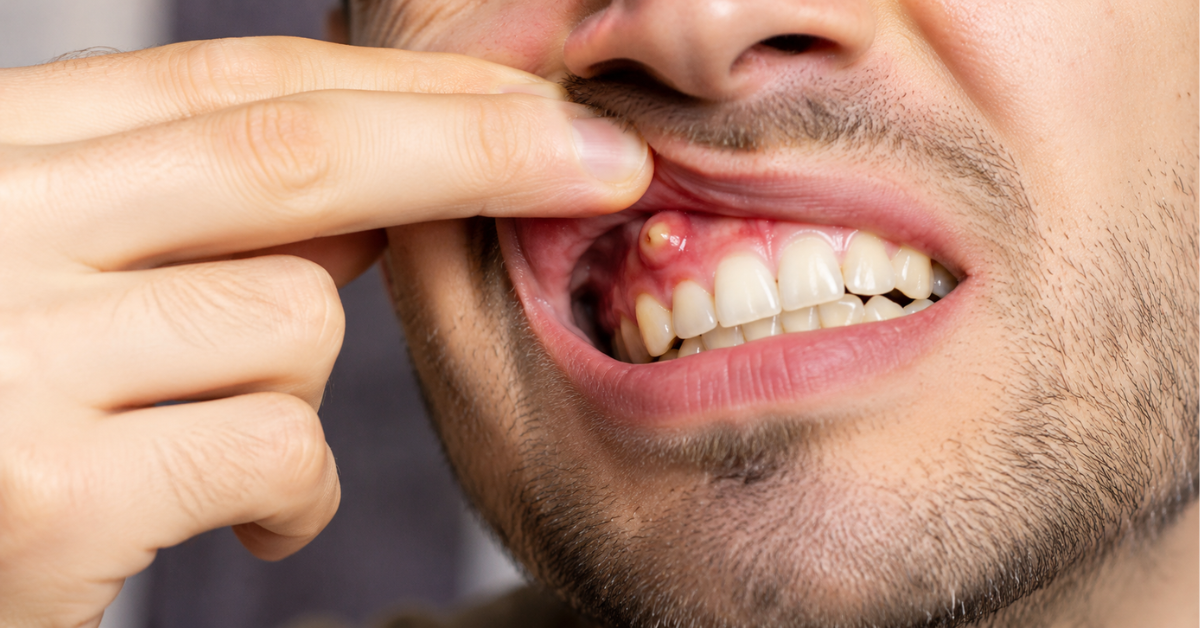
- Impacted wisdom teeth can decay within the gums and cause gum disease, cysts or tumors.
To determine if you need your wisdom teeth removed, your dentist will take X-rays to get a full understanding of their placement and any potential problems they may cause. Your dentist will then make recommendations on whether or not you should have your wisdom teeth extracted.
A general dentist can extract wisdom teeth, but if teeth are impacted, an oral surgeon will be necessary. An oral surgeon is a specialist in removing wisdom teeth and is licensed to perform IV sedation , which puts the patient in a semi-awake state. The advantages to IV sedation include an absence of anxiety during the surgery, no sense of the passage of time (as the surgery can be lengthy, especially if more than one are extracted at the same time) and lack of memory of the procedure afterward.
If you are undergoing IV sedation, you’ll be told to have someone drive you home after surgery. As you may continue to be groggy for some time after, arrange for someone to stay with you if you live alone or, if other family members won’t be home for a while after you return.
How to Recover from Extraction
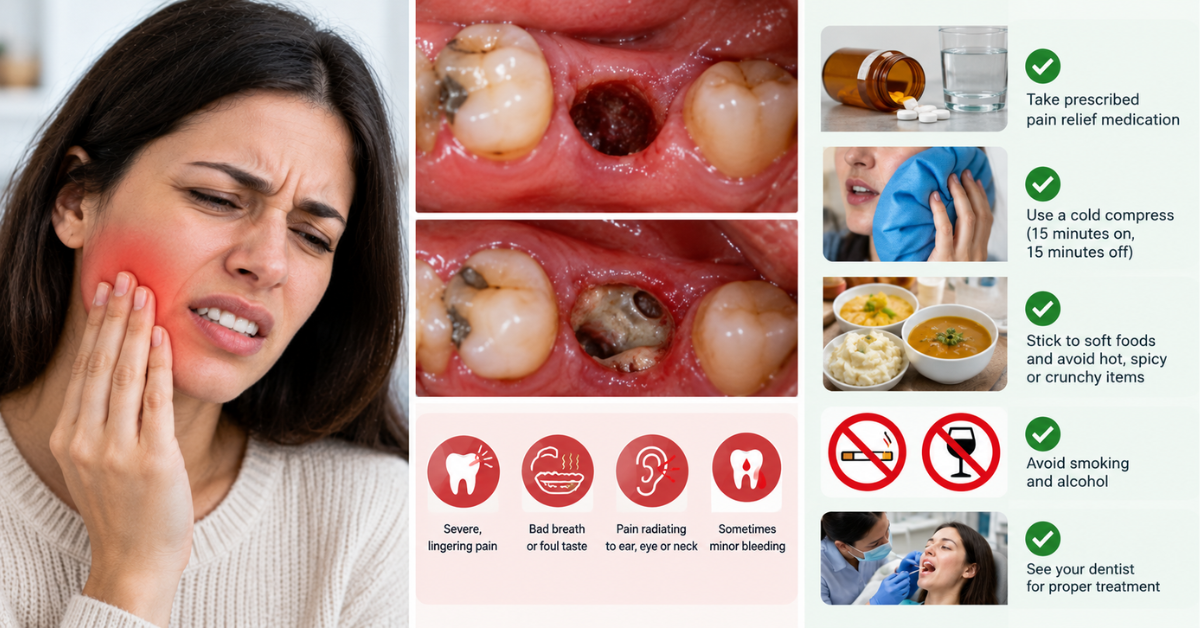
Your dentist or oral surgeon will give you a sheet of post-procedure care instructions for the first 24 hours and thereafter. Follow instructions exactly to avoid painful complications, such as dry socket — which occurs when the blood clot at the site of the tooth extraction fails to develop, or it dislodges or dissolves before the wound has healed. A dry socket is usually caused by not following post-surgical instructions against drinking through a straw or vigorous exercise. Call your dentist immediately if you suspect a dry socket.
Expect some bleeding and facial swelling. You may be told to apply ice packs to the swollen areas at intermittent times. Antibiotics will be prescribed to prevent infection. A follow-up visit may be needed to remove the stitches and examine for healing progress.
To learn more about the recovery process after wisdom teeth removal, see our other blog posts about why you might need a tooth extraction and what to expect for a tooth extraction .
Chicago Wisdom Teeth Extraction
For experienced wisdom teeth extraction and oral surgery in Chicago, contact 24/7 Local Dentist . Learn more about the education and experience of our compassionate Dr. Nilofer Khan , then contact us to schedule your consultation appointment.