Gum disease – otherwise known as periodontal disease – develops from infection in the soft tissue around the teeth and jawbone anchoring the teeth. According to the American Dental Association , 47.2% of adults over the age of 30 suffer from gum disease, which is the leading cause of tooth loss.
According to Colgate Professional , “Periodontal disease is caused by bacteria in dental plaque, the sticky substance that forms on your teeth a couple of hours after you have brushed. Interestingly, it is your body’s response to the bacterial infection that causes most of the problems. In an effort to eliminate the bacteria, the cells of your immune system release substances that cause inflammation and destruction of the gums, periodontal ligament or alveolar bone. This leads to swollen, bleeding gums, signs of gingivitis (the earliest stage of periodontal disease), and loosening of the teeth, a sign of severe periodontitis (the advanced stage of disease).”
What Does a Periodontist Do?
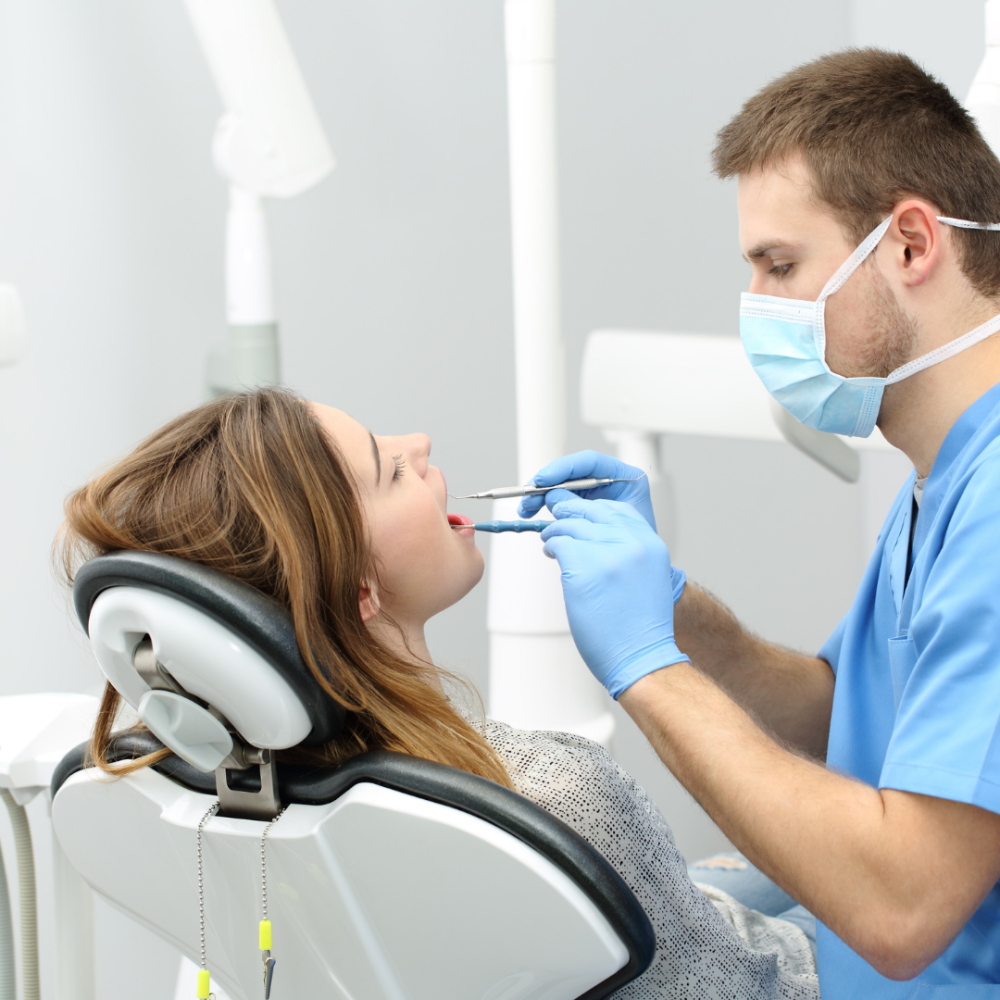
A periodontist specializes in the prevention, diagnosis and treatment of periodontal disease and oral inflammation. A periodontist will examine the gums, check the gum line for recession, see how the teeth fit together when you bite down and check for loose teeth.
An initial periodontal examination will be performed by your dentist, who will look for periodontitis. This is a common infection that damages the soft tissue and bone supporting the tooth. Without treatment, the alveolar bone around the teeth is slowly and progressively lost. Untreated periodontitis will eventually result in tooth loss. It may also increase the risk of stroke , heart attack , and other health problems.
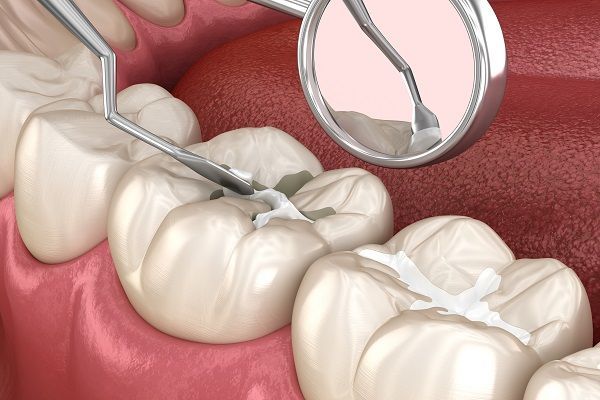
The dentist uses a probe to assess the space between the teeth below the gum line. These spaces are known as periodontal pockets. If periodontitis is present, the infection will eventually spread to the structures that keep the teeth anchored in the mouth. Should your dentist observe deeper pocket depths, X-rays will be taken to check for bone loss.
Typically, your dentist will remove dental plaque and tartar, then provide detailed instructions on oral care to follow at home to make oral health practices a part of your daily routine.
How Can You Tell If You Need to See a Periodontist?
If you can catch gum disease in its early stages, your general dentist will be able to treat it. But, in more severe cases, you will need to be treated by a periodontist.
Here are some symptoms that indicate you need to visit a periodontist :
- Your gums are swollen or bleeding
- Your teeth are in pain while you chew, talk or brush your teeth
- Your teeth feel loose
- You have perpetually bad breath
- Your gums are receding (leading to deep pockets between your teeth and gums)
- Your teeth are more sensitive to cold and/or warm temperatures
What are the Stages of Periodontal Disease?
Before initiating treatment, the periodontist must extensively examine the gums, jawbone and general condition of the teeth. When gingivitis or periodontal disease is diagnosed, there are a number of surgical and non-surgical options available to treat the underlying infection, halt the recession of the soft tissue and restructure or replace teeth that may be missing.
Here are the stages of periodontal disease , and how they can be treated:
Mild Periodontal Disease – Otherwise known as gingivitis, this occurs when your gum pockets go deeper than four millimeters. Your periodontist will perform scaling and root planing, which will clean the pockets and allow them to heal.
Moderate Periodontal Disease – Occurs when your gum pockets range from four to six millimeters. To treat this, a more considerable scaling and root planing procedure must be performed, typically with the patient under local anesthesia.
Advanced Periodontal Disease – Occurs when your gum pockets exceed seven millimeters in depth. Scaling and root planing will be performed as the initial nonsurgical treatment. The periodontist may also recommend surgical treatment to reduce pocket depth.
Tooth Loss – Periodontal disease may cause the loss of teeth. Should this occur, a periodontist may suggest dental implants. But, that is only the case if the bone is strong enough to provide an anchor for the implant. If the bone is too eroded, you will need to undergo a bone graft procedure to provide an anchor for your new tooth or teeth.
Colgate Professional notes that practicing good oral hygiene and visiting your dentist regularly (about once every six months, or more often if you have gum disease) can prevent periodontal disease. Daily brushing and flossing, when done correctly, help remove most of the plaque. Professional cleanings by your dentist or dental hygienist will keep plaque under control in places that are harder for a toothbrush or floss to reach.
24/7 Local Dentist is pleased to welcome periodontist/oral surgeon Dr. Waeil Elmisalati to our practice. Dr. Elmisalati graduated from Harvard University, School of Dental Medicine, receiving his degree in Periodontology and Dental Implants, and is a Diplomate of the American Board of Periodontology. His distinguished background and professional experience provides our patients with the very best periodontal care available.