Tips To Take Good Care Of Your Dental Health
Richard S.
Achieving healthy teeth is of paramount importance. Right oral care can help you prevent several teeth problems. We might not realize but oral problems are built up over time, and they suddenly take a significant toll on our physical health and finances. While we might think that brushing teeth can protect us from all oral diseases, this isn’t the case always. You need to take proper care of your teeth to have good dental health. For the best results, keep visiting a professional dentist Miami.
Here is Some Tip That Can Help you Take Good Care
- Visit a dentist regularly.
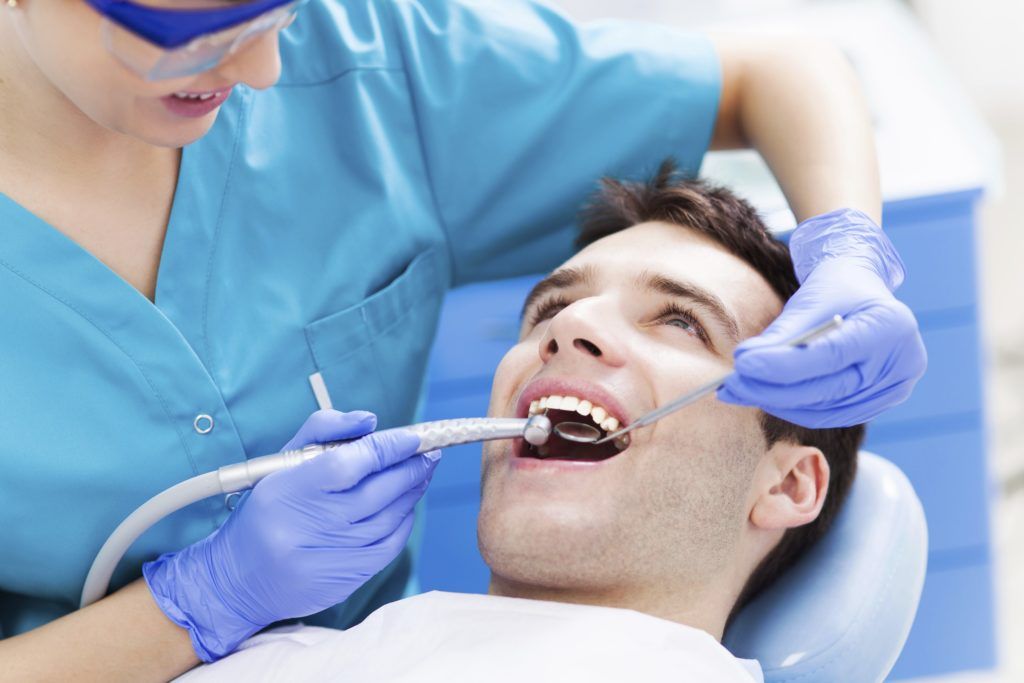
More often we are of the impression that we don’t need to visit a dentist until and unless we have some dental problems. Most people avoid visiting a Miami dentist because of a specific phobia. What we don’t realize is that spending some quality time with a dentist can help us detect some oral problems in the early stages when it is possible to treat them well and at affordable prices. Visiting a dentist regularly is the only way to diagnose gum decay and disease.
- Consume soft drinks in limited quantity
Soda is not good for your oral health. Ingredients like phosphoric acid and citric acid in aerated drinks degrade the surface of your teeth. Although it is not possible to stop the consumption of soda altogether, you must consume it in limited amounts. If consumed regularly, soda can soften tooth enamel and make it susceptible to cavities. You should try drinking more water instead of soda to maintain good dental health.
- Try to cut down on sugary food.
Sugar is the worst enemy for your oral health. Consumption of sugar accelerates the production of bacteria and acid in your mouth which can further lead to the formation of plaque. This plaque can also eat away your enamel and gums. It is better to cut down on the consumption of sugary food and if you cannot do this, at least make sure that you are brushing your teeth after you’ve consumed sentimental items.
- Smoking is dangerous to your oral health.
Smoking regularly can prove to be bad for your oral health. Nicotine and tar present in cigarettes can cause severe discolouration of your teeth. They can also damage your gums. Smoking accelerates the process of bacteria production in your oral cavity all along the gum line. This promotes the development of plaque which can eat away your teeth gradually. Tobacco can also lead to oral cancer in the long term. It all starts with decaying teeth and goes on to damage oral bones and gums.
- Make sure you are using the right toothbrush.
Choose the right toothbrush to brush your teeth. More often a brush with soft bristles is of good quality. When you observe that the hairs of your toothbrush are getting blunt, you should consider replacing it with a new one. Another sign of a worn-out toothbrush is bent bristles.
- Use the right technique while brushing
It is essential to brush your teeth daily, but it is equally important to clean them in the right manner. The proper technique to brush your teeth is to hold the toothbrush at an angle of 45 degrees to the gum line and touch them in small circular motions. Try and repeat these circular motions at least 10-15 times. It is not a good idea to brush your teeth aggressively. Aggressive brushing can cause severe damage to your teeth and gum line.
- Floss between your teeth regularly.
Flossing is the best way to keep your teeth and gums healthy. But while you floss your teeth, make sure that you are doing it right. Following the proper flossing technique is imperative for good gum health; otherwise, it can cause permanent damage to your gums. Consult a dentist to learn the right flossing technique. Regular and proper flossing helps stimulate gums; reduce plaque and inflammation in the area.
- Use fluoridated toothpaste
Kinds of toothpaste which contain fluorine are good for your oral health. They help harden enamel and reduce the risk of tooth decay. There is also a limit of fluoride in toothpaste. Check that limit before you buy any new toothpaste.
In addition to following these suggestions, maintaining good dental health requires that you practice some fundamental oral hygiene. This includes always brushing your teeth twice a day. Cleaning your room before the night is essential because it prevents bacteria from growing. Additionally, remember to brush your tongue as you brush your teeth. The tongue may also accumulate plaque. Therefore, make it a point to constantly edit your language. And if for any reason you are unable to clean your teeth, be sure to use mouthwash every day. By doing this, you can avoid unpleasant odours and maintain a healthy, fresh mouth. Hire trustworthy dental services in Miami.
Hurt your teeth or jaw in a car accident? Learn what to do first, which signs show up later, and how to keep records for insurance.
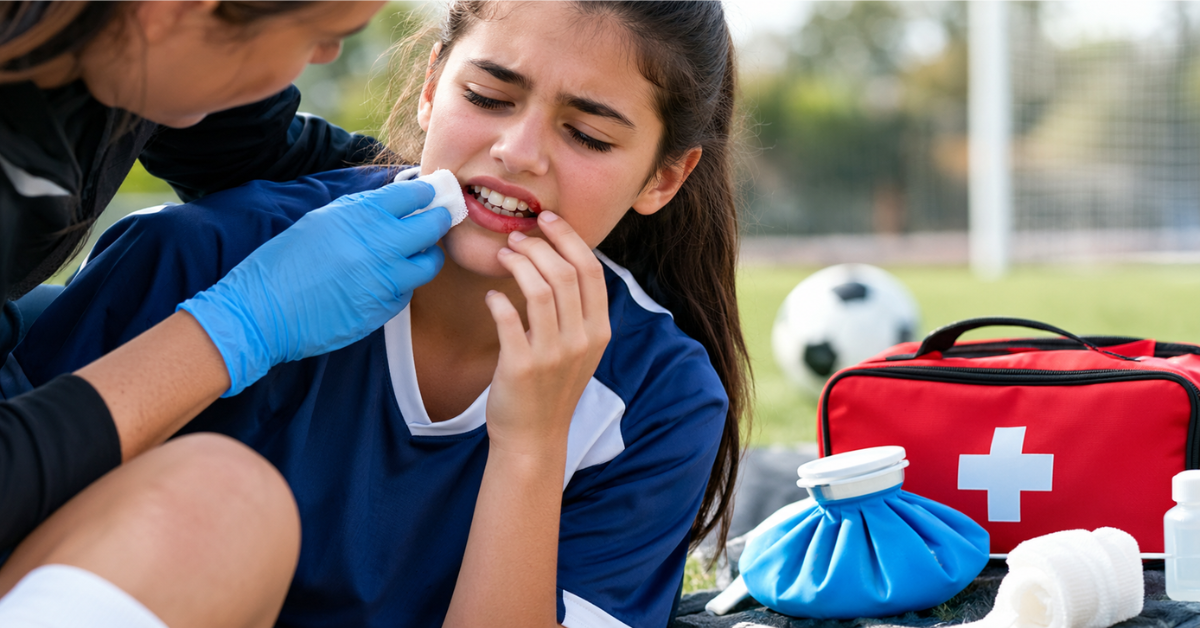
Chipped or knocked out a tooth playing sports? Learn what to do right away, when to go to the ER, and how to prevent injuries.
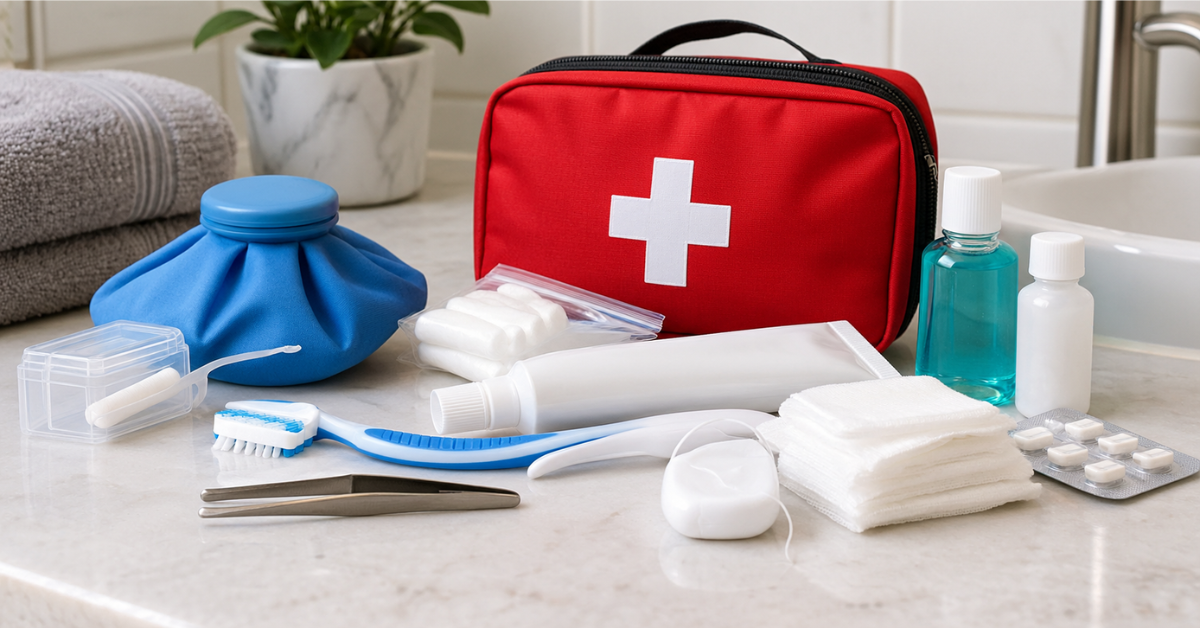
Build a dental emergency kit for home in one afternoon. See the full checklist, what each item does, and when to call a dentist.
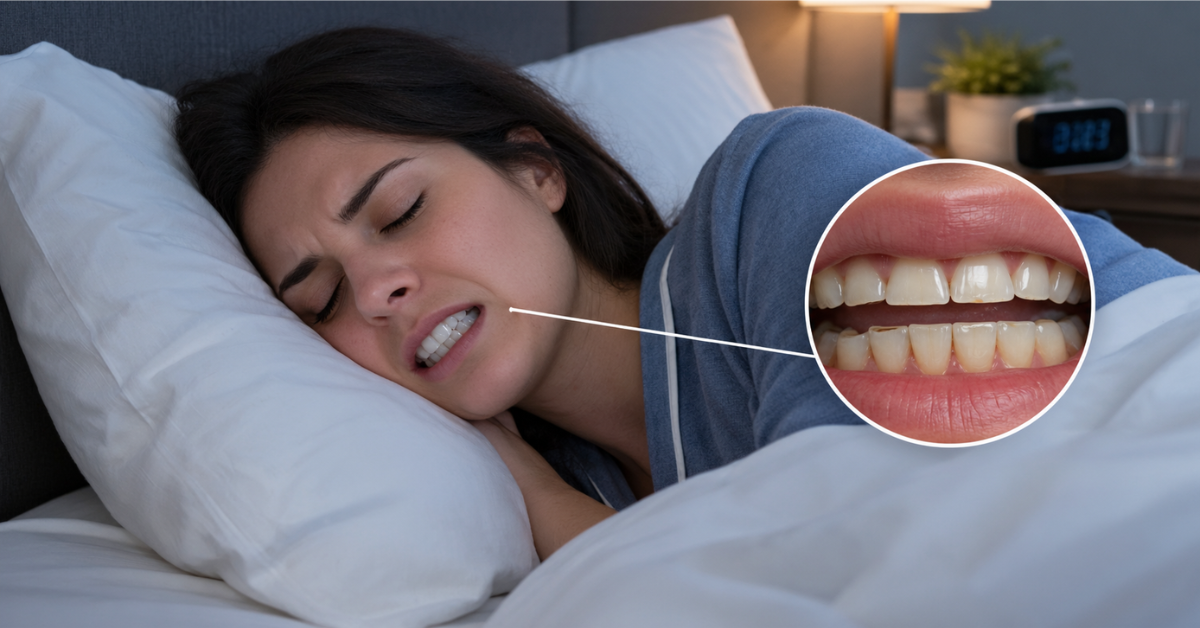
Grinding your teeth at night can crack or break them. Learn the warning signs, when it's an emergency, and how to stop it.
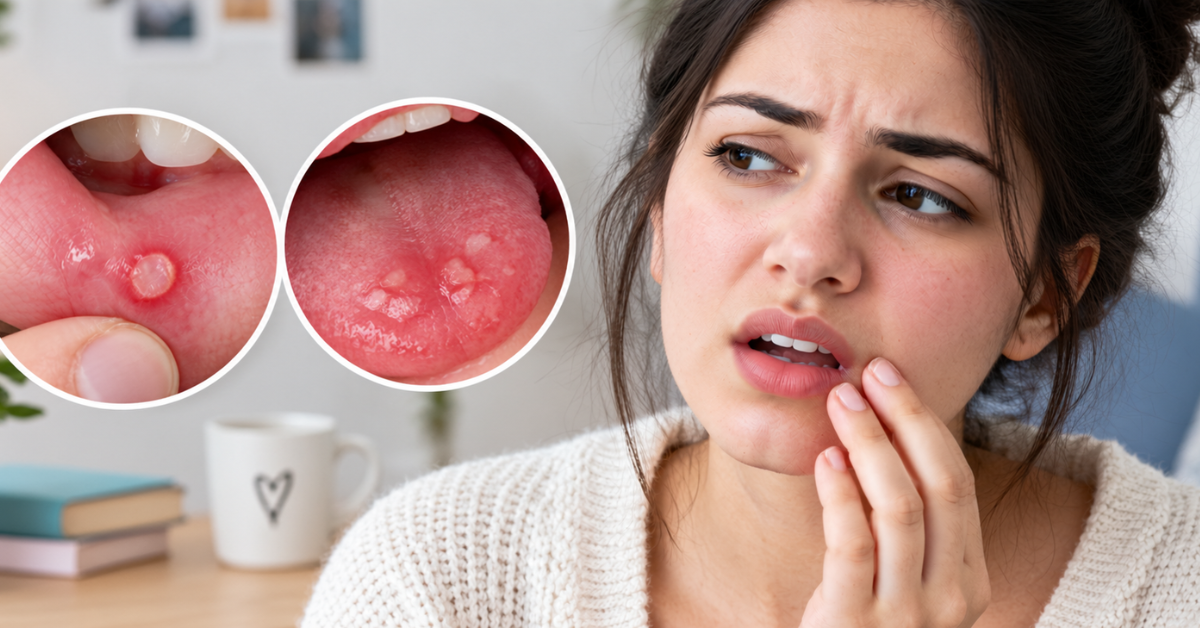
Not sure if a mouth sore is a canker sore or something worse? Learn the signs, healing time, and when to see a dentist.
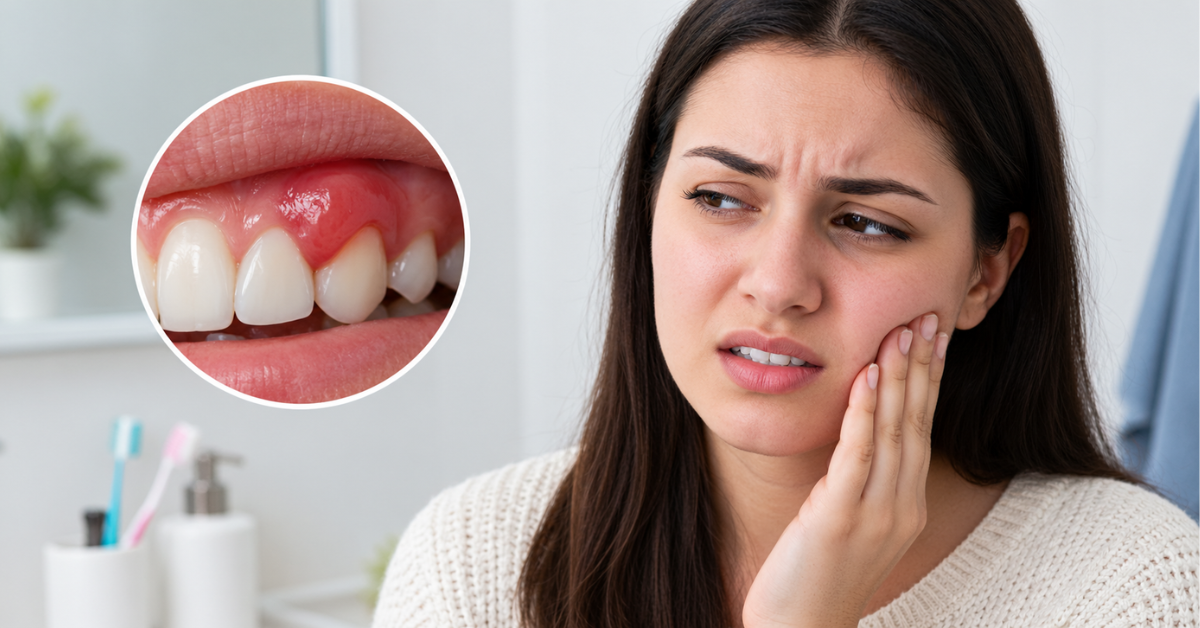
Swollen gums can be mild or serious. Learn the emergency signs, common causes, home remedies, and when to see a dentist.
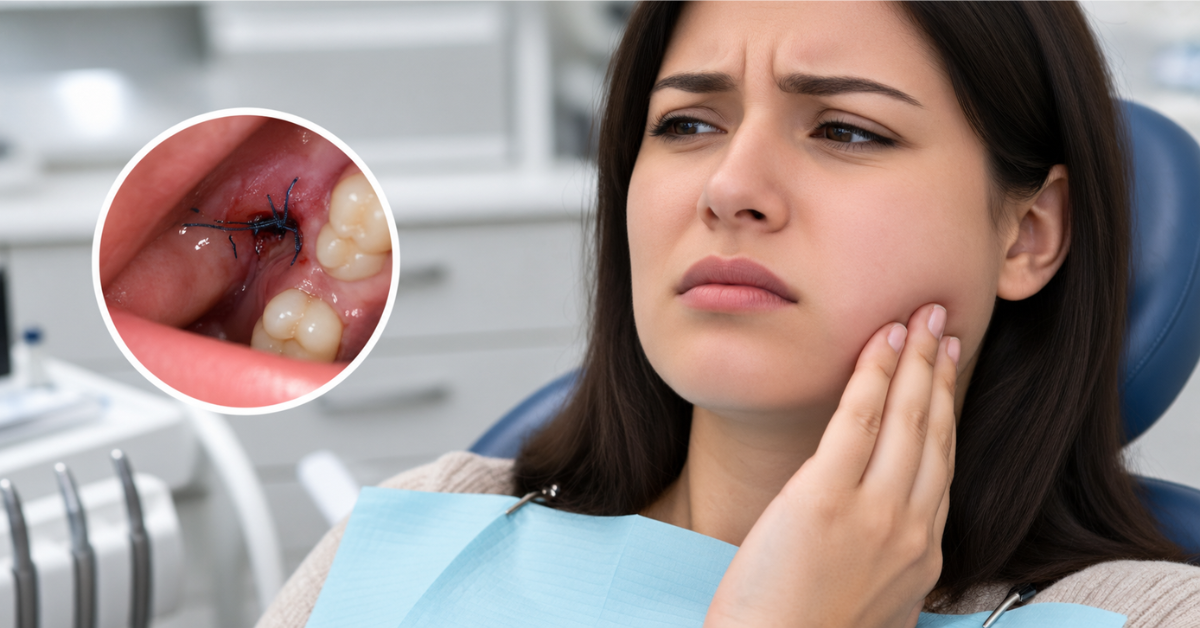
Some swelling after a tooth extraction is completely normal. Learn what to expect day by day, which warning signs mean trouble and exactly when to call your dentist or head to the emergency room.
Worried about dental treatment during pregnancy? Find out what is actually safe, when to get treated, which medications are okay and when a dental emergency cannot wait until after delivery.
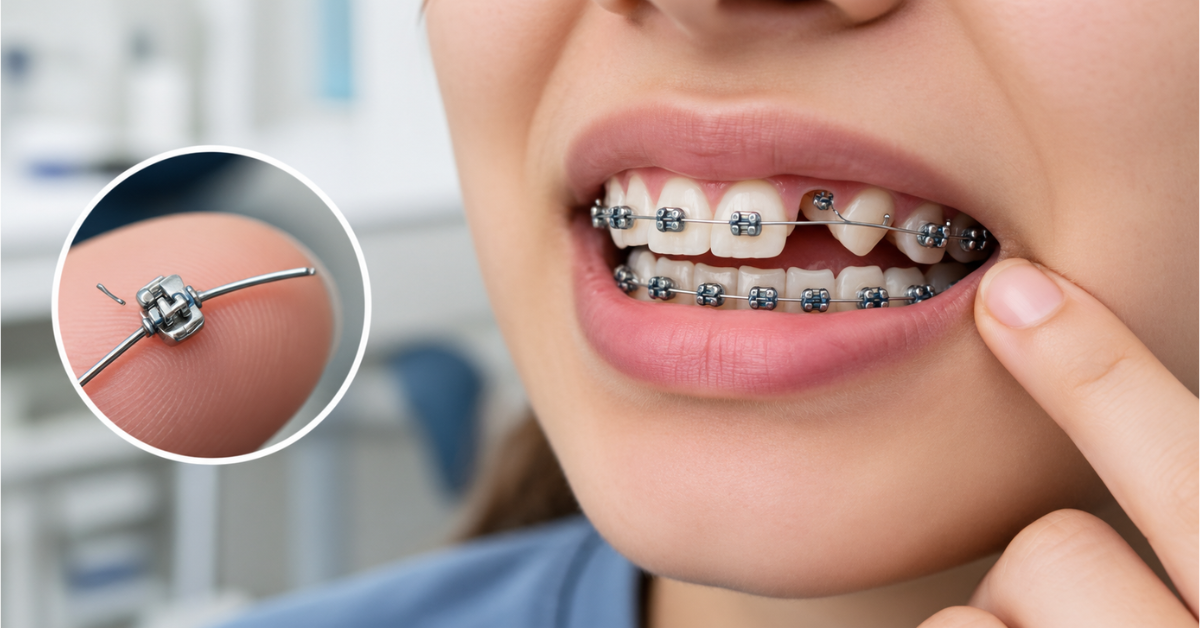
Broke a wire or bracket on your braces? Find out what counts as a real emergency, what can wait until morning, and exactly what to do right now to manage the pain and protect your mouth.
A child's dental emergency can be scary. Learn what to do in the first few minutes for a knocked-out tooth, chipped tooth, or toothache, and when it's urgent.