Causes Gum Recession
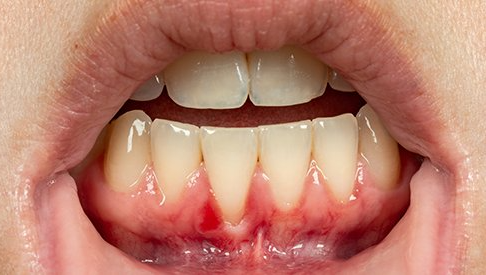
Taking care of your gums is just as important as taking care of your teeth. Your gums have the important jobs of supporting your teeth and protecting their sensitive roots. If gums begin to recede, this can leave the teeth vulnerable and poorly supported. It’s vital for everyone to know the common causes of gum recession and available options for gum recession treatment.
Most Common Causes of Gum Recession
The germline is one of the most important and most vulnerable parts of the mouth when it comes to dental hygiene. As the germline recedes away from the teeth, pockets form in which bacteria can gather, eventually attacking the teeth and causing tooth decay. Gums may start to recede for several possible reasons, including:
- Genes. Some people simply have genetic predispositions toward gum recession, so they must be extra careful with their dental hygiene.
- Aggressive brushing. While it’s good to be enthusiastic about dental hygiene, brushing too hard can damage sensitive gum tissue, causing it to break down in some places and become vulnerable to bacteria.
- Periodontal disease. An infection in the gum tissue can cause gums to recede quite rapidly. Gum disease is the leading cause of gum recession and can often lead to tooth decay.
- Poor dental hygiene. Failing to brush and floss adequately can allow plaque on the teeth to evolve into tartar, which will require professional cleaning to remove. Tartar accumulation is another leading cause of gum recession.
- Hormonal changes. Some women experience gum recession in response to hormonal changes at different phases of life.
When gum recession becomes noticeable, the underlying cause requires immediate treatment. It’s crucial to seek dental treatment for the symptoms of gum disease and periodontal disease as soon as you notice something as wrong.
Treatment for Gum Recession
The first line of defense against gum recession is proper preventative care. Practicing good daily dental hygiene and scheduling regular visits with your dentist for professional cleanings and exams are some of the best ways to prevent gum recession. However, if you have started noticing gum recession, your dentist will need to diagnose the underlying cause. In many mild cases, deep cleaning of the affected area can be enough to encourage the gum tissue to regrow properly. In some cases, a dentist may need to flush the affected area with antibiotics.
When gum recession has progressed to extreme levels, a dentist may need to resort to surgical methods to repair the damage. These methods may include open flap scaling, root planning, or regeneration using implanted tissues. The best outcomes occur when patients seek prompt care for gum recession. If you need assistance for the symptoms of gum recession, contact 24/7 local dentist online or call us 24/7 at (833) 220-2448 to be put in touch with a 24/7 local dentist care provider in your area.