Teeth are an incredible asset. While we may be biased as dental professionals, take a minute to consider the usefulness of having your teeth! (Or, check out our blog here about the hazards of going without teeth !) However, there are times when the best decision for your health is to extract a tooth. Let’s take a look at when tooth extractions may be the best choice, and what you can expect.
Reasons for Tooth Extractions
Making Room for Adult Teeth
Obviously, this is a common rite of passage of childhood. As you grow, your baby teeth should fall out to make room for adult teeth. Sometimes baby teeth can linger and your dentist may want you to consider extracting them. This may happen because the adult tooth came in at a slightly different place, or the roots of the baby tooth are not dissolving quickly enough. Additionally, adult teeth may come in crooked because of a stubborn baby tooth.
Large Infection
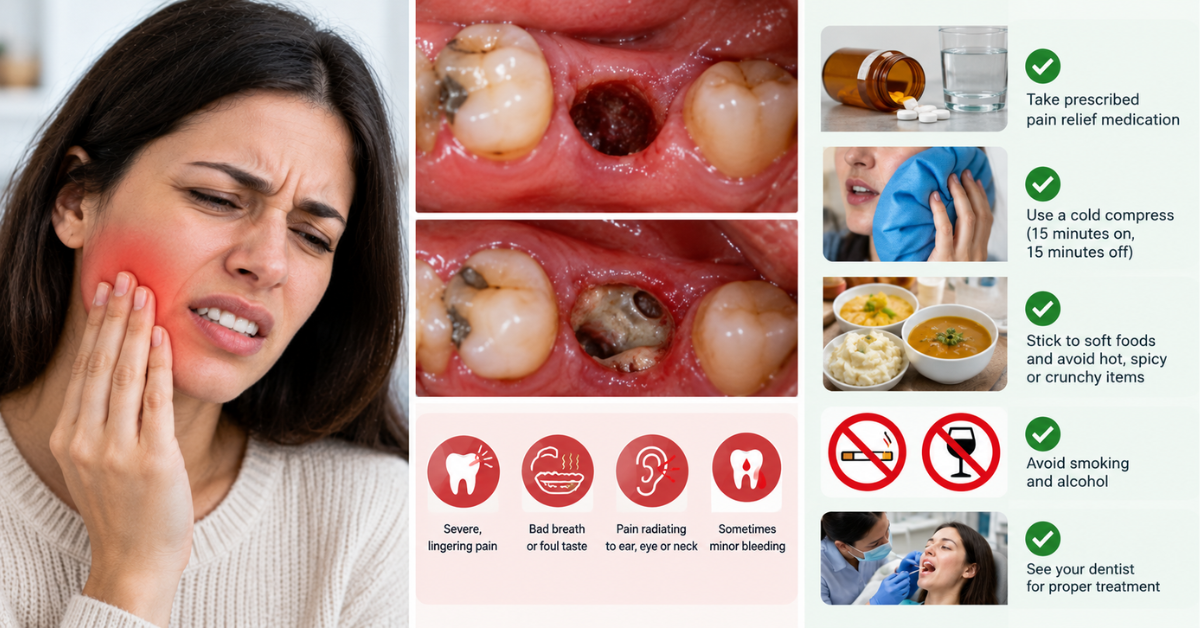
If decay or infection goes untreated in a tooth, it is likely to spread into the root and eventually the jaw bone. This can cause serious health complications. There is a turning point where a tooth is no longer stable enough or worth saving. When your tooth is that decayed, tooth extraction is the best choice.
Crowding
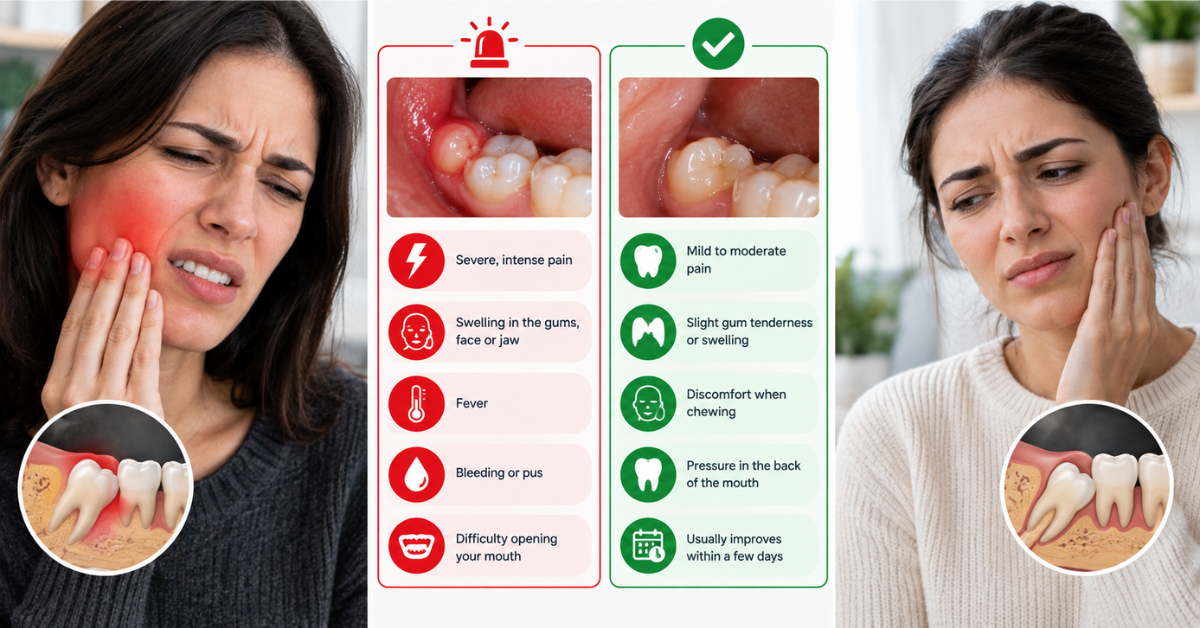
Increasingly, people have a smaller and smaller mouth as a result of the modern diet. We spend much less time than our ancestors did chewing on bones and sucking out the marrow. We also enjoy many soft foods, which are delicious, but do not develop the jawbone, promoting growth. If your mouth becomes too crowded, it can be difficult to keep your teeth properly clean. Your dentist may suggest tooth extraction to help your teeth fit better in your mouth. This is particularly true for “ wisdom teeth ” or third molars.
Other Medical Procedures
Sometimes other medical procedures can be more successful with tooth extraction. This is particularly true if someone is receiving high doses of radiation in the head and neck which could cause excessive decay. Additionally, some medical conditions lead to excessive decay, which may result in necessary tooth extractions.
Procedure
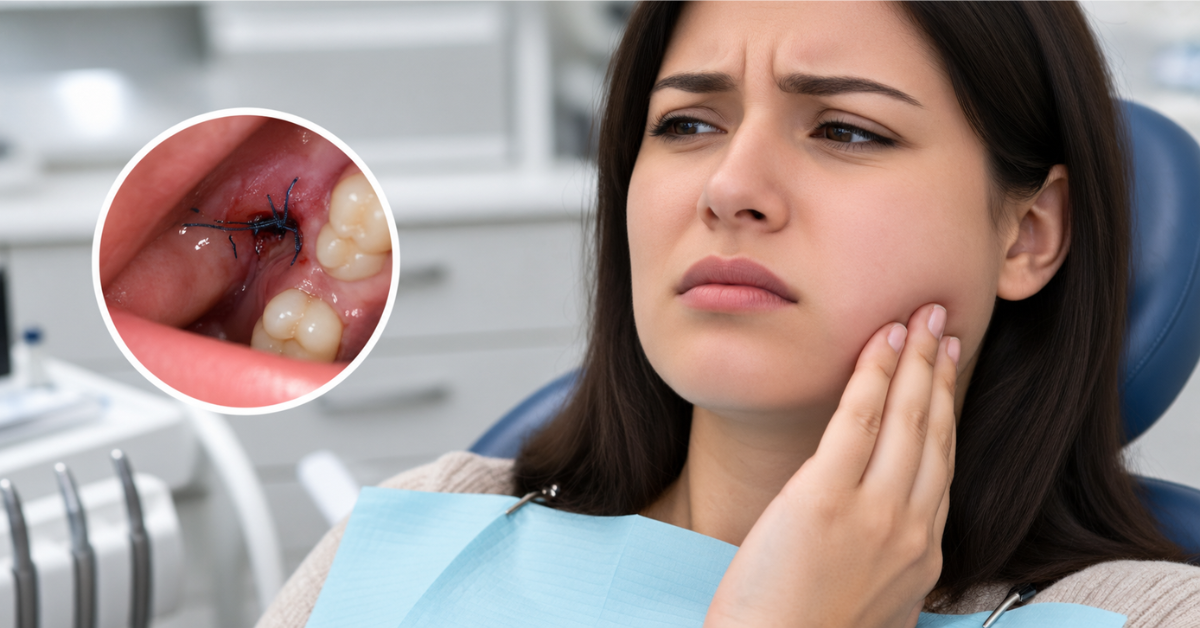
Your dentist will begin by discussing the options available to you, and will explain why they think tooth extraction is the best choice. If you agree to treatment, they will take X-rays to get a clear picture of the tooth, root, and surrounding bone and teeth. If the tooth extraction is straightforward they will likely pull the tooth in the office with the assistance of a local anesthetic. If the roots are twisted or intertwined with neighboring teeth, the tooth is impacted (under the gums and at an angle), or there are other complicating factors, your dentist will likely refer you to an oral surgeon. An oral surgeon is trained to cut into the gums to remove teeth, and usually performs a surgical extraction under general anesthesia.