Flossing is an important step to full oral hygiene. However, many people tend to slack when it comes to daily flossing—if they even floss at all. It may seem tedious to floss every night, but it can be a very quick process once you are in the habit of it. Routine flossing can save you from major oral problems down the road. Let’s look at the benefits of flossing, how to avoid discomfort and how to make flossing just another regular step in your oral care routine.
Benefits of Flossing
You may have heard before from your dentist that flossing can reduce your risk for developing gingivitis and other gum disease. But how much does it really matter? The truth is, flossing matters a whole lot.
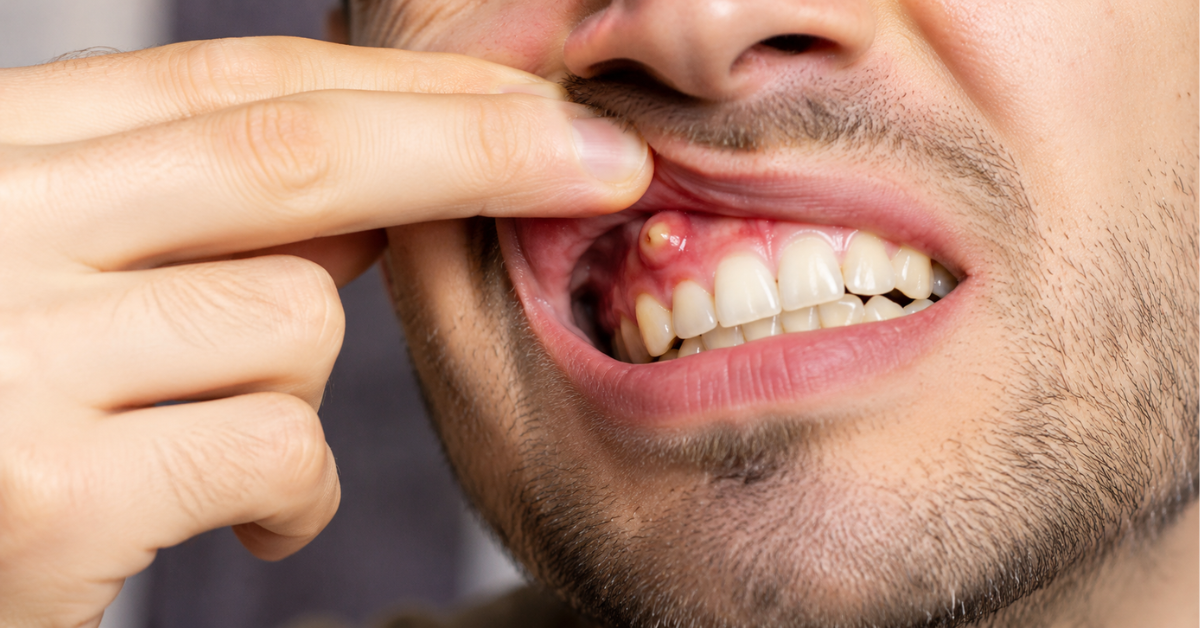
Bacteria buildup is what causes gum diseases like gingivitis, and bacteria that builds up in your mouth from small food particles stuck in your teeth can cause serious damage. Plaque, which forms as a result of poor oral hygiene, can have more than one thousand types of bacteria that reside in your mouth. This bacteria can also lead to cavities, particularly in places that don’t get as clean from brushing alone—such as between the teeth. Not to mention, a lack of flossing can lead to halitosis , which is the medical term for bad breath and is also caused by bacteria.
At its most severe, gingivitis can lead to periodontal disease , which causes bacteria from your mouth to travel throughout your body, affecting vital functions such as your cardiovascular system. Individuals with diabetes are especially susceptible to developing periodontal disease, and pregnant women with periodontal disease increase their risk of delivering low-weight newborns.
Adding flossing to your oral care routine can drastically decrease your risk for all of these conditions. A simple extra minute or two a day can save you from stress and discomfort later on.
How to Avoid Bleeding Gums and Pain When Flossing
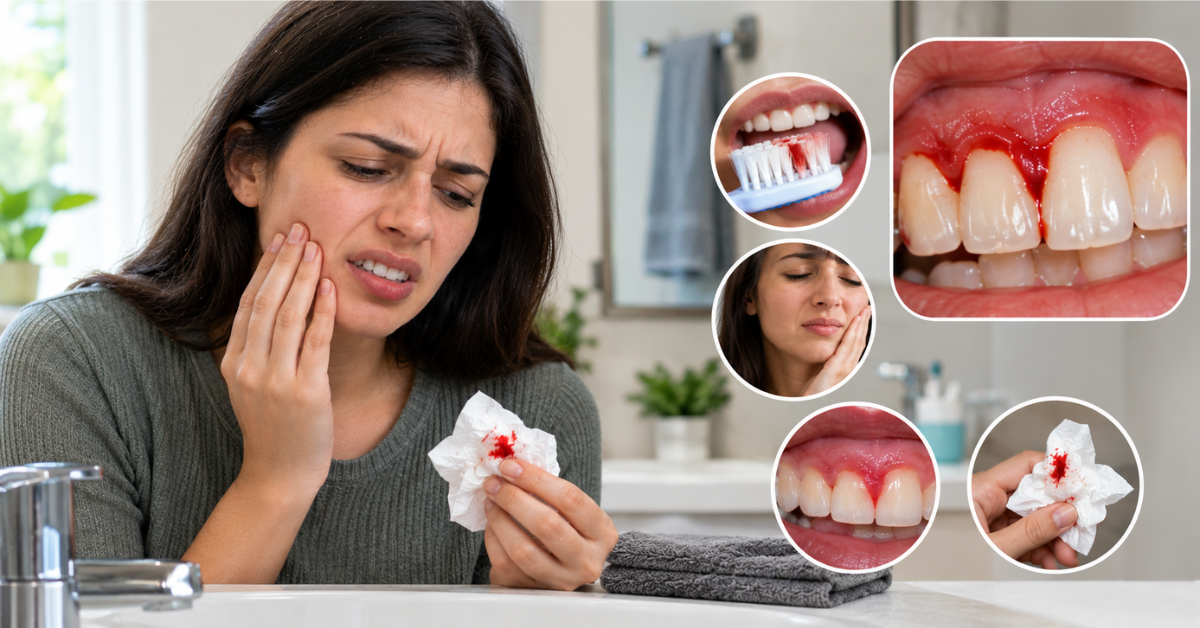
If it’s been a while since you last flossed your teeth, there’s a higher chance you may experience some bleeding and irritated gums when you do. This can be a deterrent for people to keep up regular flossing. However, gums that quickly become inflamed or bleed easily are likely experiencing bacteria buildup, which means you are in even more need of flossing. Don’t be too deterred by bleeding and slightly irritated gums when you first try flossing again. The best way to avoid bleeding gums and pain when flossing is to keep up a regular flossing routine, as your gum health will soon improve over time. If pain and bleeding persist, however, talk to your dentist about causes and treatment.
How to Make Flossing a Part of Your Daily Routine
It may seem tedious to remember to floss your teeth every day, but very soon, it won’t even require a second thought. The best time to floss is at night, immediately after brushing your teeth and right before you go to bed. This guarantees that all food particles built up throughout the day will be cleared out and won’t have the opportunity to build up harmful bacteria overnight.
Your daily routine should look something like this:
- Brush in the morning for two minutes with an antimicrobial fluoride toothpaste.
- Use a therapeutic mouthwash .
- Stay hydrated throughout the day.
- Avoid unnecessary snacks.
- Brush your teeth at night in the same way as the morning.
- Floss thoroughly with a waxed floss, holding the floss around each tooth in a curved shape while moving back and forth while also up and down between teeth.
- Use mouthwash again.
- Get a good night’s rest and start again!
Additionally, keep your floss within sight at your bathroom sink to make sure you don’t forget. It may also be helpful to carry around floss or a handful of dental flossers with you during the day, as well. You never know when you might eat something that gets stuck between your teeth!
Keeping Your Mouth Clean
While daily flossing is an essential part to a good oral hygiene routine, it’s even more important to make semi-annual visits to the dentist . Your dentist will be able to check for any potential signs of gum disease and other oral health conditions. Additionally, a dentist will be able to provide and advise you on ongoing treatment options.
Visit 24/7 Local Dentist for you and your family’s Chicago dentist needs. If it’s been a while since your last dental check-up , contact us to schedule your next appointment!