No one is immune to a bout of halitosis, more commonly known as bad breath. In fact, one in four people have bad breath , as does an estimated 50 percent of the adult population. In most cases, preventing bad breath is as simple as improved oral hygiene, but for some, the cause lies elsewhere. Keep reading to learn what can cause bad breath, and proven treatment options.
What Causes Bad Breath
Bad breath can be due to something obvious, underlying or even both. Listed below are some of the most common causes seen by medical and dental professionals.
Dry mouth – Saliva plays an essential role in oral health. It is comprised of 98% water , and contains important substances that include antibacterial compounds. When saliva production is low, your chance of experiencing bad breath is higher.
Food – The food and drinks you consume can impact the way your breath smells. From coffee to onions and dairy products, numerous foods can linger on your breath.
Bacteria – There are good and bad bacteria that reside naturally in your mouth. Every time you eat or drink, the bacteria also feed, producing a foul-smelling waste product.
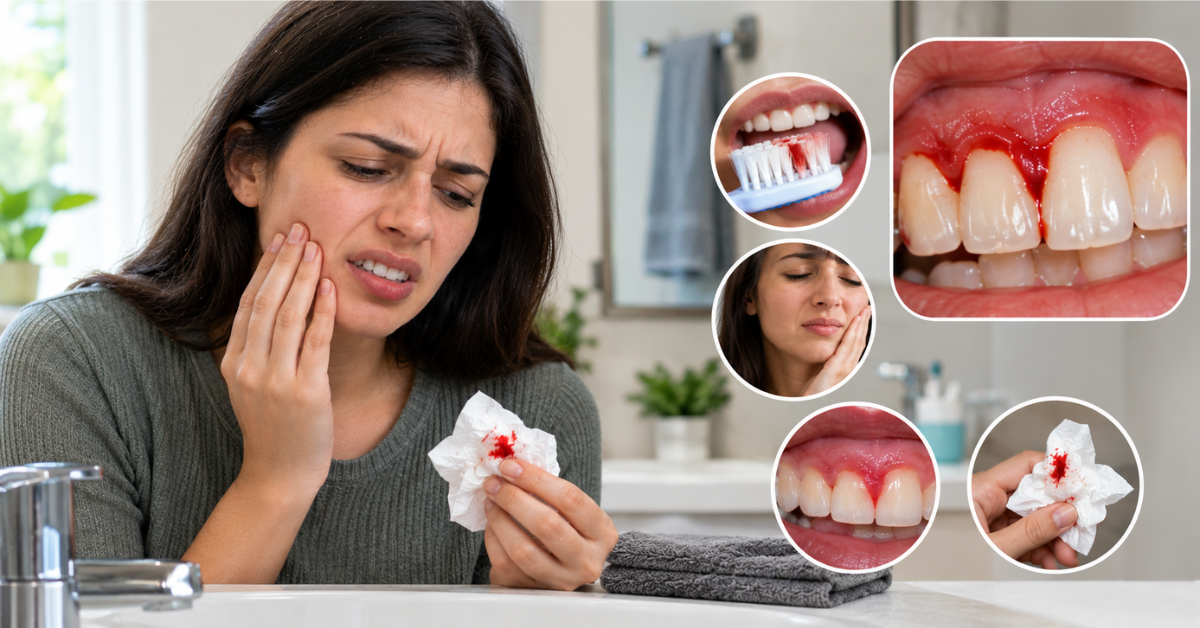
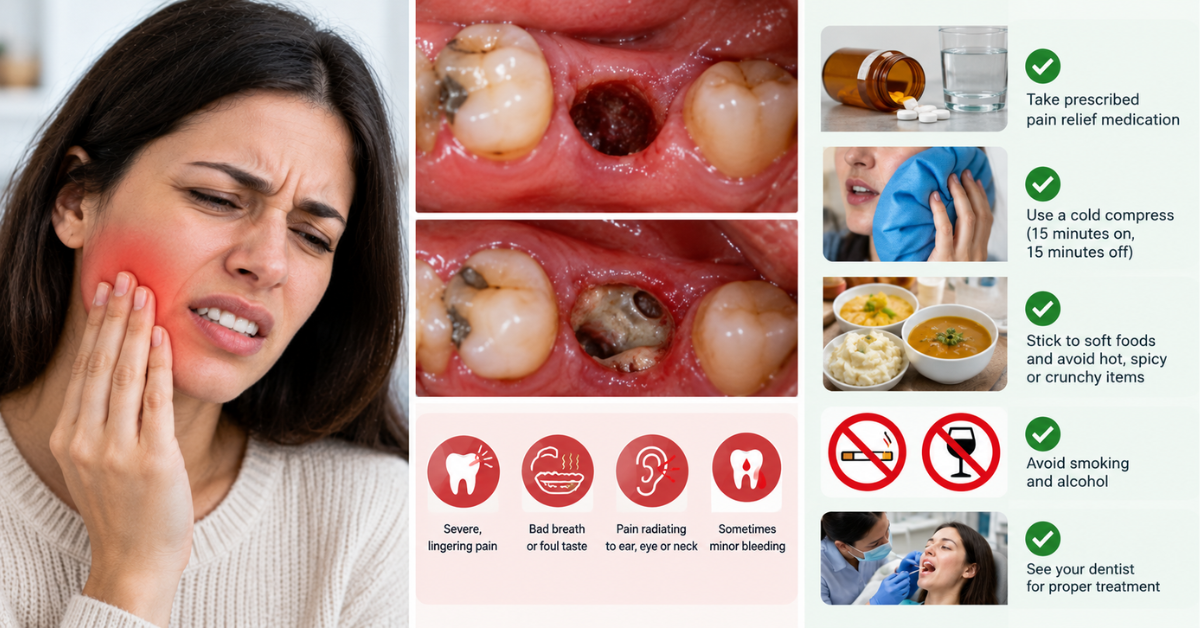
Gum disease – If you have constant bad breath or a foul taste in your mouth, it could be indicative of gum disease.
Medical conditions – A number of medical conditions are known to cause bad breath, including a mouth infection, sinus conditions, diabetes, and liver or kidney disease – among others. Some medications taken to treat a condition may also cause dry mouth, which can lead to bad breath.
Smoking or tobacco use – There are numerous ramifications to smoking or tobacco use, one of which is bad breath. It can irritate your teeth and gums, stain your teeth and reduce your ability to taste food. Unfortunately, it can also affect your sense of smell, so believe the word of others if they say your breath is less than pleasant.
Treating Bad Breath
There is no cure-all for bad breath, as much as we may wish it. Try one or several of the following solutions recommended by dentists.
Brush and floss – Your overall oral health plays a major factor in how your breath smells. Brush and floss the recommended twice a day, and visit the dentist for a cleaning every six months.
Clean your retainer, denture or aligner trays – Besides being unsanitary, not regularly cleaning your dental appliance and/or trays wear can cause a stink. Bacteria slowly builds up on the surface, just like it builds up on your teeth. Food can also get stuck in your dental appliance, which can end up pressed against your teeth overnight or all day long. Gently scrub your dental appliance with a toothbrush and toothpaste every time you brush your teeth, and rinse it after removal and before reinsertion.
Tongue scraping – People often forget that their tongue needs a good scrubbing, too! One way to see if your tongue may be the culprit of your bad breath is to stick it out and check for a white or yellowish coating. If so, use a toothbrush or tongue scraper to remove it. Long-term, be sure to brush your tongue regularly to prevent build-up.
Mouthwash – A great addition to your morning routine, mouthwash is a fast and effective solution. It will kill bacteria and germs than contribute to bad breath.
Saliva – To prevent dry mouth, eat foods that have a high water content or stimulate salivation. This can include many fruits, such as apples, watermelon, carrots, or cucumbers, as well as sugar-free gum. You might also consider artificial saliva, if recommended by a dentist.
Quit smoking – Not only will you see an improvement in your overall health, but tobacco will no longer mask your post-brushing fresh breath.
For an official diagnosis and course of treatment, it is best to consult a dentist. At 24/7 Local Dentist , our general dentistry services include halitosis treatment. We will help you determine the cause of your halitosis so that you can smile and talk to others with confidence. Contact us to schedule an appointment, and get your oral hygiene back on track.